Stepping into a hot yoga studio, the warmth immediately embraces you, promising deep stretches and an invigorating sweat. It’s a transformative experience, but to truly immerse yourself in the practice and unlock its full potential, one piece of equipment stands above the rest: your yoga mat. Not just any mat will do when the temperatures rise and the sweat starts to flow. Choosing the Best Hot Yoga Mat is crucial for stability, safety, and ultimately, a more fulfilling practice.
From the ancient roots of yoga to its modern, heated variations, the mat has always served as our personal sanctuary, a sacred space where intention meets action. As hot yoga gained popularity, the demands on this essential tool evolved. Traditional mats, while perfectly adequate for a cooler flow, often fall short in the humid, high-temperature environment of a Bikram or Vinyasa hot yoga class. The challenge? Maintaining a steadfast grip as your body warms up and perspiration becomes a significant factor. That’s where a specialized hot yoga mat truly shines, transforming potential slippery struggles into a grounded, confident flow.
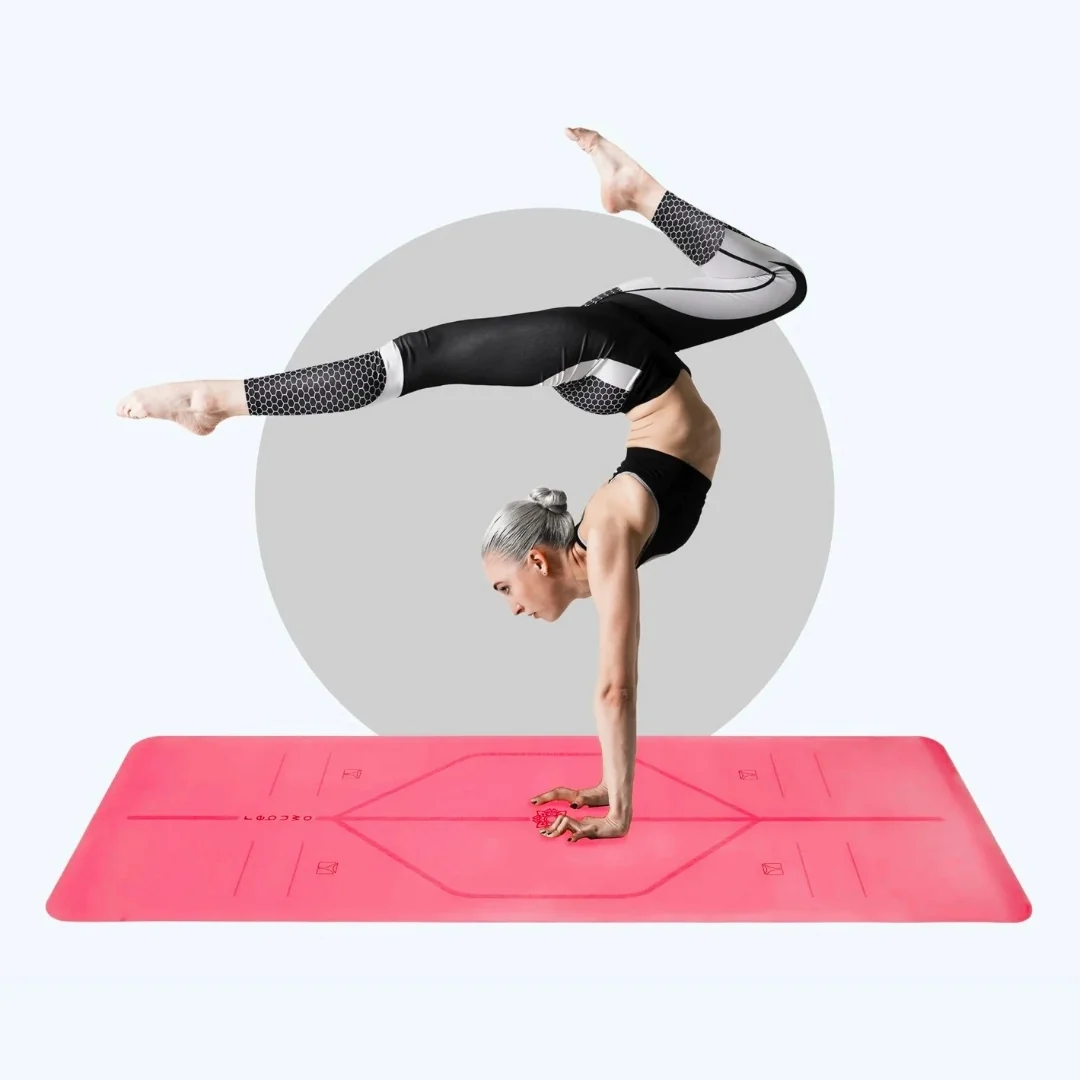
What Makes a Hot Yoga Mat Stand Out?
Think of a hot yoga mat as your ultimate partner in a sweaty embrace – it’s designed to perform precisely when things get slick. Unlike standard mats, which might become a slip-and-slide hazard under duress, the best hot yoga mat prioritizes features that counteract moisture and enhance stability.
The primary differentiator lies in its ability to handle sweat. While regular mats can absorb moisture, leading to a loss of grip and a potential breeding ground for bacteria, hot yoga mats are engineered with materials that either wick away sweat or become more grippy when wet. This unique characteristic is paramount for preventing slips and falls, allowing you to hold challenging poses with unwavering confidence. It’s not just about comfort; it’s about providing a secure foundation for every pose, no matter how intense the heat or how much you perspire.
Unpacking the Materials: Your Mat’s Core
The magic of a hot yoga mat largely comes down to its construction and the materials it uses. Each material offers a unique set of benefits, so let’s break down the common players you’ll encounter when searching for the best hot yoga mat.
Natural Rubber Mats
Natural rubber is a popular choice for hot yoga mats due to its excellent inherent grip and eco-friendly profile. These mats often feature a dense, somewhat tacky surface that performs well in both dry and moderately wet conditions. Many advanced hot yoga mats use a natural rubber base with a specialized top layer. “Natural rubber offers unparalleled traction, making you feel truly connected to the earth, even in the sweatiest sessions,” explains Dr. Anya Sharma, a Yoga Biomechanics Specialist.
Cork Mats
For those who prioritize sustainability and a unique sensory experience, cork mats are a fantastic option. What makes cork truly special for hot yoga is its natural property: it becomes more grippy when wet. This means the more you sweat, the better your traction. Cork is also naturally antimicrobial, resisting odors and bacteria, which is a huge plus for hygiene in a hot, humid environment. “I’ve seen many yogis transform their practice with a cork mat,” says Mateo Sanchez, a seasoned Bikram Yoga Instructor. “The natural feel and reliable grip are a game-changer.”
Microfiber Suede / PU-Coated Mats
These mats often feature a highly absorbent microfiber suede or polyurethane (PU) coated surface bonded to a natural rubber base. The microfiber acts like a built-in towel, soaking up sweat and providing superior grip when damp. PU-coated mats are known for their incredibly sticky surface from the get-go, often designed to maintain that tackiness even as sweat accumulates. They are typically closed-cell, meaning they don’t absorb liquids as readily as open-cell mats, making them easier to clean and more hygienic.
TPE (Thermoplastic Elastomer) Mats
TPE mats are a synthetic, often more lightweight, and environmentally friendly alternative to PVC. While generally providing good grip and cushioning, their performance in very sweaty hot yoga conditions can vary. Some TPE mats are specifically engineered for hot yoga with enhanced textures or absorbent layers. They are latex-free and recyclable, making them a good choice for those with allergies or environmental concerns.
Open-Cell vs. Closed-Cell Construction
Understanding these two terms is vital for hot yoga.
- Open-cell mats (like many natural rubber mats) have tiny pores that absorb moisture. This can provide excellent grip, but also means they soak up sweat and can be harder to clean, potentially holding onto bacteria. Some open-cell mats, while grippy, may wear more easily with exclusive hot yoga use.
- Closed-cell mats (like some Manduka mats or PU-coated options) have surfaces that repel moisture. They are generally more hygienic and easier to wipe clean, as sweat beads on the surface rather than soaking in. Their grip often comes from a textured surface, designed to maintain traction even when wet. For dedicated hot yoga practitioners, a closed-cell mat often provides a more consistent, hygienic, and easier-to-maintain experience.
Your Guide to Choosing the Best Hot Yoga Mat
Selecting the ideal mat is a personal journey, but for hot yoga, certain criteria become non-negotiable. Here’s what to look for:
1. Unwavering Grip and Traction
This is the single most critical feature. In a heated, humid room, a slippery mat is a hazard. Look for mats explicitly designed for “hot yoga” or “sweaty practices.” Features like textured surfaces, microfiber tops that activate with moisture, or naturally grippy materials like cork and natural rubber are key. Your hands and feet should feel firmly planted, allowing you to focus on your alignment, not on staying put.
2. Superior Sweat Absorption or Wicking
A great hot yoga mat will either absorb sweat efficiently to maintain a dry surface or wick it away so it doesn’t pool and create slip zones. Microfiber suede mats are champions at absorption, while some closed-cell rubber mats are designed to allow sweat to bead and be wiped away easily during practice. “A mat that truly manages sweat lets you push your boundaries without fear,” says yoga therapist Elena Petrova.
3. Just the Right Thickness and Cushioning
Hot yoga mats typically range from 3mm to 6mm in thickness.
- Thinner mats (3-4mm) offer a stronger connection to the floor and greater stability, which can be beneficial for balancing poses.
- Thicker mats (5-6mm) provide more cushioning, offering comfort and support for sensitive joints like knees and wrists.
The best choice depends on your personal preference and any joint sensitivities you might have. A too-thick mat can compromise stability, while a too-thin one might cause discomfort.
4. Durability to Withstand the Heat
Hot yoga environments, with their combination of heat and moisture, can be tough on materials. Your mat needs to be durable enough to withstand frequent exposure to these conditions without degrading quickly. Look for high-quality materials that are known for their resilience. Investing in a durable mat means it will be a long-term partner in your practice.
5. Eco-Friendliness
For many yogis, the practice extends beyond the mat into a philosophy of mindful living. Choosing an eco-friendly hot yoga mat aligns with these values. Materials like natural tree rubber (responsibly sourced), cork, and TPE are often more sustainable choices than traditional PVC. Many brands, like YOGAFLEX, are committed to using materials that are kind to both your body and the planet.
Nurturing Your Mat: Essential Care for Longevity
Even the best hot yoga mat needs a little love to keep it performing at its peak and to ensure hygiene. Regular care is simple and makes a huge difference in your mat’s lifespan and cleanliness.
Daily Wipe-Down
After every hot yoga session, your mat will likely be damp with sweat. Lay your mat flat and wipe it down with a damp cloth and a gentle, oil-free mat cleaning solution. A common homemade solution is a 50/50 mix of water and white vinegar, sometimes with a few drops of essential oil for scent (check if your mat material tolerates vinegar first). This prevents sweat and bacteria from settling in.
Thorough Drying
This step is critical. Never roll up a wet or damp mat! Unroll your mat completely and hang it over a shower rod, chair back, or clothesline in a well-ventilated area, out of direct sunlight. Allow it to air dry fully before rolling it up and storing it. A damp mat is a breeding ground for mildew and odors.
Deep Cleaning
Depending on how frequently you practice hot yoga, give your mat a deeper clean every few weeks or once a month. For many mats, this involves a gentle scrub with mild soap and water, followed by a thorough rinse and complete air drying. Always check the manufacturer’s specific cleaning instructions, as some mats (especially open-cell ones) should not be submerged.
The Profound Benefits of a Quality Hot Yoga Mat
Investing in a high-quality hot yoga mat isn’t just about avoiding slips; it’s about elevating your entire practice.
Enhanced Safety and Stability
The most immediate benefit is safety. With superior grip and sweat management, you can trust your mat to keep you stable, reducing the risk of injuries caused by slipping. This peace of mind allows you to explore deeper into poses without hesitation.
Deeper Focus and Immersion
When you’re not distracted by a slipping mat or the discomfort of pooling sweat, your mental energy is freed up. You can concentrate fully on your breath, alignment, and the meditative aspects of your practice, leading to a more profound and immersive experience.
Superior Hygiene
Hot yoga mats, especially those with closed-cell surfaces or antimicrobial properties like cork, are designed to be more hygienic. When combined with proper cleaning, they help prevent the build-up of bacteria and odors, ensuring a fresh surface for every session.
Extended Mat Lifespan
While a quality hot yoga mat might be a larger initial investment, its durability and resistance to the harsh hot yoga environment mean it will last significantly longer than a standard mat, proving to be a wise and sustainable choice in the long run.
Harmonizing Your Mat with Your Practice
A premium hot yoga mat is designed to support a variety of heated practices, from the intense 90-minute structure of Bikram to the dynamic flows of hot Vinyasa or power yoga. In these styles, every pose, every transition, benefits from a stable, non-slip foundation. It allows for the full expression of postures, enabling you to build strength, flexibility, and balance without compromise. It’s about creating a seamless connection between your body and the earth, fostering a deeper sense of presence and purpose in every movement.
Frequently Asked Questions About Hot Yoga Mats
Q1: Can I just use a yoga towel over a regular mat for hot yoga?
While a yoga towel can provide extra grip and absorbency, it’s not always a complete substitute for a dedicated hot yoga mat. Towels can bunch up or shift, potentially causing instability. The best hot yoga mats are engineered to provide integrated non-slip performance without needing an extra layer.
Q2: How often should I replace my hot yoga mat?
The lifespan of a hot yoga mat depends on its quality, how often you use it, and how well you maintain it. High-quality mats can last for many years with proper care. Signs it’s time for a new mat include loss of grip, peeling, excessive wear, or persistent odors.
Q3: Are all eco-friendly mats good for hot yoga?
Not necessarily. While many eco-friendly materials like natural rubber and cork are excellent for hot yoga, their performance varies. Always look for specific features like “enhanced wet grip” or “sweat-wicking” to ensure it’s suitable for heated practices, even if it’s eco-friendly.
Q4: Does mat thickness affect grip in hot yoga?
Thickness primarily affects cushioning and stability. While a thinner mat might offer a slightly stronger “grounded” feel, the grip is more dependent on the mat’s surface material and texture. Choose thickness based on your joint support needs and balance preference.
Q5: Can I machine wash my hot yoga mat?
Some hot yoga mats, particularly certain microfiber or TPE varieties, might be machine washable. However, many natural rubber or PU-coated mats are not. Always check the manufacturer’s care instructions carefully before attempting to machine wash your mat, as improper washing can damage it.
Q6: Why do some hot yoga mats have a strong smell initially?
Natural rubber mats, being made from a natural material, can sometimes have a distinct rubber odor when new. This usually dissipates over time with airing out and regular use. It’s a normal characteristic and typically indicates a quality material.
Q7: What’s the best hot yoga mat for beginners?
For beginners, a mat that offers exceptional non-slip grip and decent cushioning is key to building confidence and preventing frustration. Cork mats or PU-coated natural rubber mats are often recommended for their reliable traction, even for those new to hot yoga’s intensity.
Embrace Your Practice with Confidence
Choosing the best hot yoga mat is more than just a purchase; it’s an investment in your practice, your safety, and your well-being. At YOGAFLEX, we believe that a strong foundation empowers a stronger you, both on and off the mat. By selecting a mat that truly supports your unique journey through the heat and sweat of hot yoga, you’re not just finding a tool; you’re discovering a trusted companion that deepens your connection to yourself and the transformative power of yoga. So go ahead, find the mat that resonates with your spirit, unroll it, and step into your most confident, grounded practice yet. Your body, mind, and spirit will thank you.