Stepping onto your yoga mat is more than just starting an exercise; it’s an intentional journey into self-discovery, strength, and inner peace. As the cornerstone of your practice, selecting the best yoga mat is a decision that deeply influences your comfort, stability, and connection to the earth beneath you. At YOGAFLEX, we believe in crafting experiences that resonate with quality, sustainability, and holistic well-being, and that philosophy begins with the very surface you choose for your practice.
Forget the notion that any mat will do. A truly exceptional yoga mat becomes an extension of yourself, supporting every pose, every breath, and every moment of stillness. In this guide, we’ll explore the essential elements that define a superior yoga mat, helping you find a YOGAFLEX companion that elevates your practice, aligns with your values, and empowers your journey.
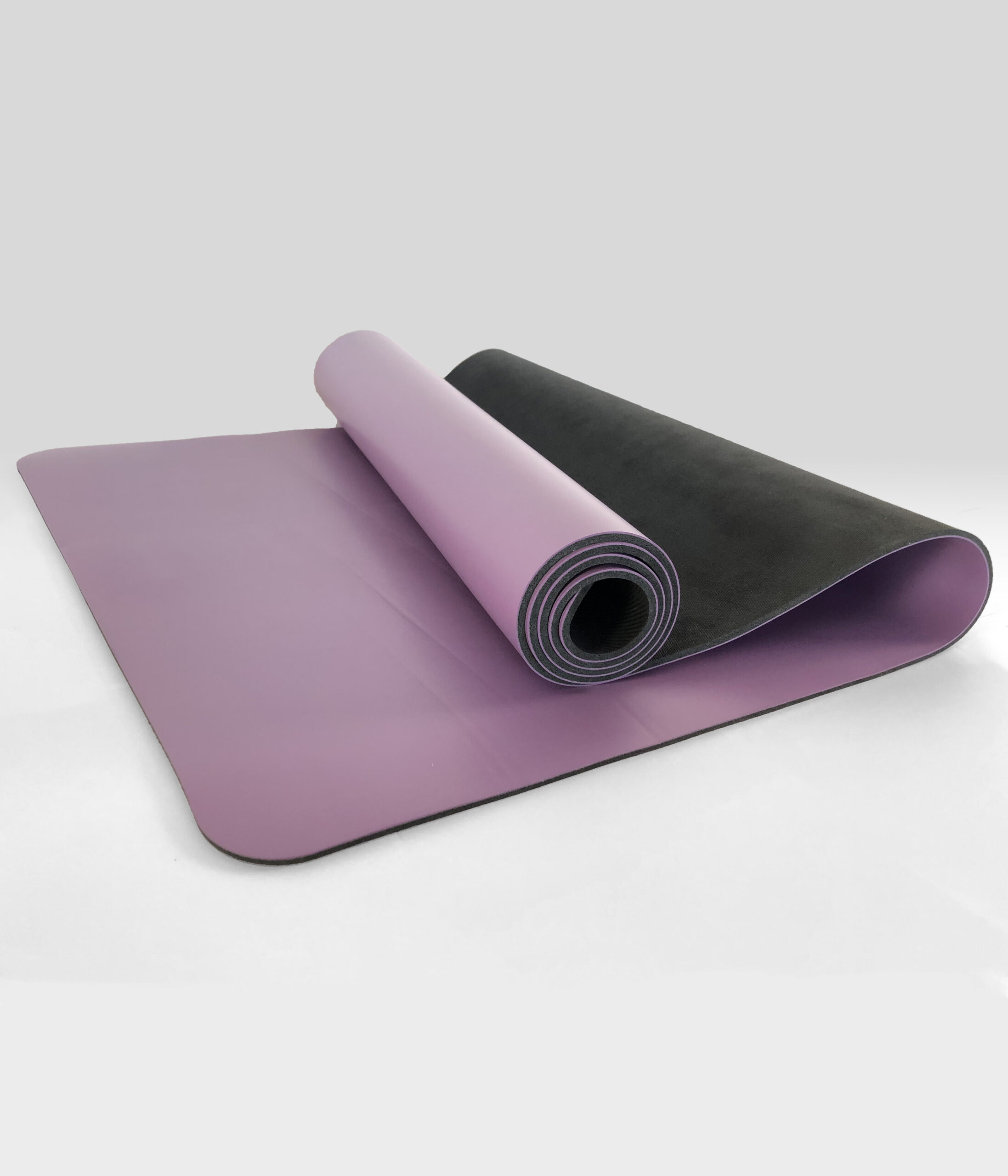
The Unsung Hero: Why Your Yoga Mat Matters
For centuries, practitioners have sought dedicated spaces for their spiritual and physical discipline. While early yogis might have found solace on natural earth or woven rugs, the evolution of the yoga mat has brought forth an incredible blend of innovation and intention. It’s more than just a barrier between you and the floor; it’s a vital tool providing essential stability, hygiene, and a personal sanctuary where your practice can truly unfold. A high-quality mat fosters a deeper connection, allowing you to focus on alignment and breath without distraction.
Decoding the “Best”: Key Factors for Choosing Your YOGAFLEX Mat
What makes a yoga mat truly “the best”? It’s a harmonious blend of personal preference and crucial features that support your unique practice. Let’s break down the elements you should consider.
Thickness and Cushioning: Finding Your Ground
The right thickness is key to a comfortable yet stable practice.
What is the ideal yoga mat thickness for different practices?
The ideal thickness varies with your practice style; generally, 4-5mm mats offer a balanced foundation for stability and comfort, while thicker mats cater to joint protection and gentler practices, and thinner mats enhance ground connection for dynamic flows or travel.
- Standard Thickness (4-5mm): This is often considered the sweet spot for many yogis, providing enough cushioning for comfort without compromising stability, especially for flowing practices like Vinyasa or Hatha yoga. You’ll feel a solid connection to the floor, crucial for balance-centric poses.
- Thicker Mats (6-8mm): If you have sensitive joints, practice primarily restorative or therapeutic yoga, or need extra padding for forearm and kneeling poses, a thicker mat offers superior comfort and support. However, be mindful that excessive thickness can sometimes make balancing poses more challenging.
- Thinner Mats (1-3mm): Ideal for travel or for those who prefer a very direct connection to the floor, these lightweight mats sacrifice some cushioning for portability and enhanced ground feel. They are excellent for dynamic styles where stability is paramount.
Grip and Texture: Your Foundation for Stability
A mat’s grip is perhaps its most critical feature, preventing slips and slides that can disrupt your flow or even lead to injury.
How does yoga mat texture affect grip?
Yoga mat texture significantly impacts grip; materials like natural rubber and PU offer exceptional “stickiness” that often improves with moisture, while jute provides a natural, fibrous traction, ensuring stability even in the most strenuous poses.
- Superior Traction: Look for textured surfaces that provide excellent grip, even when wet. This is especially important for dynamic practices or hot yoga, where perspiration can make surfaces slippery.
- Sweat-Activated Grip: Innovative materials like PU (polyurethane) rubber and cork actually become grippier as they absorb moisture, making them champions for hot yoga enthusiasts. Natural rubber also provides excellent dry grip, which often holds up well with light sweat.
Material and Sustainability: A Conscious Choice
The material of your yoga mat directly impacts its performance, durability, and most importantly, its environmental footprint—a core value at YOGAFLEX.
What are the most eco-friendly yoga mat materials?
Natural rubber, cork, and jute are among the most eco-friendly yoga mat materials, as they are derived from renewable resources, biodegradable, and often produced with fewer harmful chemicals, aligning with a sustainable lifestyle.
- Natural Rubber: A favorite for eco-conscious yogis, natural rubber mats are biodegradable, sustainable, and offer superior grip. They are durable and supportive but can be heavier and may have an initial rubber scent. Note: Avoid if you have a latex allergy.
- PU Rubber (Polyurethane bonded with Natural Rubber): This material combination is revered for its incredible sweat-activated grip, making it a top choice for hot yoga and power flows. When paired with natural rubber, it’s often non-toxic and durable, though it may require more diligent cleaning.
- Cork: Naturally antimicrobial, cork mats are sustainable, biodegradable, and uniquely become grippier when wet. They offer a firmer feel and a distinctive natural aesthetic, ideal for those prioritizing hygiene and environmental responsibility.
- Jute: Made from natural plant fibers, jute mats offer a textured surface for excellent grip and are fully biodegradable. They are lightweight and environmentally friendly, though they might offer less cushioning and a slightly rougher feel compared to other materials.
- TPE (Thermoplastic Elastomer): A greener, non-toxic alternative to PVC, TPE mats are lightweight, often recyclable, and free from phthalates and latex. While generally less durable than rubber, they offer good traction and are excellent for casual use or travel.
- PVC (Polyvinyl Chloride): Historically common, PVC mats are known for their durability and “sticky” feel, offering good dry grip. However, they are typically less environmentally friendly, not biodegradable, and can contain phthalates. YOGAFLEX strives to offer alternatives that align with a healthier planet.
Durability and Longevity: An Investment in Your Practice
A yoga mat is an investment in your well-being. A high-quality mat is designed to withstand countless practices, maintaining its integrity, grip, and cushioning over time. This means less frequent replacement, reducing waste and offering better long-term value. Materials like natural rubber and high-grade PVC (though less preferred for sustainability) are known for their resilience, though proper care is essential for any mat’s lifespan.
How long should a good yoga mat last?
A good yoga mat, particularly those made from durable materials like natural rubber or high-quality TPE, can last anywhere from three to ten years or even longer with proper care and regular maintenance, making it a worthwhile long-term investment.
Size and Portability: Tailoring to Your Lifestyle
Most yoga mats are around 68-74 inches long and 24-26 inches wide, accommodating the majority of practitioners.
What size yoga mat should I choose?
Choose a yoga mat that is at least as tall as you are, allowing enough space for full extensions without stepping off, and consider standard widths (24-26 inches) or wider options for more expansive movements, ensuring your practice is unrestricted.
However, your lifestyle might dictate different needs:
- Extended Lengths: Taller yogis might prefer mats up to 85 inches long for a more expansive practice.
- Travel Mats: If you’re a yogi on the go, lightweight (often 1-3mm thick) and foldable travel mats are indispensable, easily fitting into luggage or a carry-on.
YOGAFLEX’s Vision: The Benefits of a Premium Mat
At YOGAFLEX, we don’t just sell yoga mats; we offer tools that embody our commitment to enhancing your yoga journey through thoughtful design and sustainable practices.
- Deepen Your Practice: A YOGAFLEX mat provides the superior grip and stability needed to confidently explore advanced poses and refine your alignment, allowing you to focus on the subtleties of your practice rather than worrying about slippage.
- Increased Comfort & Joint Protection: Engineered with optimal cushioning, our mats safeguard your joints from impact and hard surfaces, creating a supportive foundation that makes even long holds and floor work more enjoyable.
- Superior Hygiene: Many YOGAFLEX mats feature antimicrobial properties and materials that are easy to clean, resisting bacteria and odors. This ensures your personal practice space remains fresh, clean, and energetically pure.
- Eco-Conscious Choice: True to our commitment, YOGAFLEX prioritizes eco-friendly and sustainably sourced materials like natural rubber and cork, helping you make a choice that supports both your well-being and the planet’s health.
- Long-term Value: Investing in a YOGAFLEX mat means choosing durability. Our mats are built to last, offering enduring performance and reducing the need for frequent replacements, proving to be a wise and sustainable choice over time.
Expert Insight: Choosing Your Perfect Companion
“Choosing the right yoga mat is like finding a dance partner for your soul,” says Anya Sharma, YOGAFLEX Lead Product Innovator. “It needs to feel supportive, responsive, and truly aligned with your unique energy. Consider not just the physical demands of your practice, but also the environmental impact and how the mat enhances your overall well-being. A YOGAFLEX mat is designed to meet these needs, fostering a deeper connection in every pose.”
Caring for Your YOGAFLEX Mat: Tips for Longevity and Purity
To ensure your YOGAFLEX mat remains a pristine sanctuary for years to come, consistent care is paramount.
How do I properly clean and store my yoga mat?
To properly clean your yoga mat, wipe it down after each use with a gentle, diluted cleaner, allow it to air dry completely away from direct sunlight, and then roll it loosely for vertical storage to prevent creases and maintain its integrity.
- Regular Cleaning: After every practice, gently wipe your mat down with a damp cloth and a mild, eco-friendly cleaner. You can easily create a homemade solution with water, a splash of white vinegar, and a few drops of essential oils like tea tree or lavender for their antimicrobial properties.
- Deep Cleaning: For a more thorough cleanse, typically once a month or as needed, you can gently scrub the mat with mild soap and water in a tub, ensuring all soap residue is rinsed away to prevent slipperiness.
- Drying with Care: Always allow your mat to air dry completely by hanging it over a shower rod or a railing, away from direct sunlight or heat sources, which can damage the material and cause discoloration. Never put your mat in a dryer.
- Smart Storage: Once dry, roll your mat loosely with the top side facing outwards to prevent permanent creases. Store it vertically if possible, or in a yoga mat bag that allows for airflow, avoiding heavy objects on top.
- What to Avoid: Stepping on your mat with shoes, using harsh chemical cleaners, folding it tightly, or exposing it to prolonged direct sunlight can all shorten its lifespan and compromise its performance.
Integrating Your Mat into Diverse Yoga Styles
Your YOGAFLEX mat is versatile, adapting to various yoga disciplines.
- Dynamic Yoga (Vinyasa, Ashtanga, Power Yoga): For fast-paced, fluid sequences, prioritize mats with exceptional, even sweat-activated, grip and robust stability, like those made from PU rubber or firm natural rubber, to prevent slipping between transitions.
- Gentle and Restorative Yoga (Yin, Hatha): For longer holds and floor-based poses, comfort and cushioning are key. A thicker mat (6-8mm) or one with a softer TPE composition will provide ample support for your joints, allowing you to relax deeply into each posture.
- Hot Yoga: Practices like Bikram or hot Vinyasa demand a mat that thrives in humid, sweaty conditions. Cork or PU rubber mats are exceptional here, as their grip actually improves with moisture, ensuring a safe and stable foundation.
- Travel and Outdoor Practice: When your practice takes you beyond the studio, a lightweight, foldable travel mat (typically 1-3mm thick) is ideal. These mats are easy to pack and clean, ensuring you can maintain your routine wherever life takes you.
Frequently Asked Questions
Q: How often should I replace my yoga mat?
A: With proper care, a high-quality yoga mat can last several years, sometimes even a decade. Signs it’s time for a new one include noticeable loss of grip, peeling, thinning areas, or a persistent odor that won’t dissipate after cleaning.
Q: Are thicker yoga mats always better?
A: Not necessarily. While thicker mats offer more cushioning for joint comfort, they can reduce stability for standing and balancing poses. The “best” thickness depends on your specific practice style and comfort needs.
Q: Can I use a regular exercise mat for yoga?
A: While possible, regular exercise mats often lack the specific grip and density required for yoga, potentially leading to slips or instability. Yoga mats are designed to support fluid transitions and held poses more effectively.
Q: What’s the best yoga mat for sweaty hands?
A: For sweaty hands, mats made from PU rubber or cork are highly recommended. These materials are known for their exceptional, often sweat-activated, grip that actually performs better with moisture.
Q: How do eco-friendly yoga mats contribute to sustainability?
A: Eco-friendly yoga mats, typically made from materials like natural rubber, cork, or jute, contribute to sustainability by utilizing renewable resources, being biodegradable, and minimizing the use of harmful chemicals in production, reducing environmental impact.
Q: Is a “break-in” period common for new yoga mats?
A: Yes, some high-performance yoga mats, particularly those made from natural rubber or certain PVC formulations, may have a slight “break-in” period where the surface grip improves with initial uses and regular cleaning.
Embrace Your Journey with the Perfect YOGAFLEX Mat
Choosing the best yoga mat is a deeply personal step, reflecting your commitment to your practice, your body, and the world around you. It’s about finding a partner that offers unwavering support, inspires confidence, and aligns with your values. At YOGAFLEX, we are dedicated to providing premium mats that embody quality, sustainability, and innovative design, empowering you to deepen your connection and embrace every aspect of your holistic journey.
We invite you to explore the YOGAFLEX collection and find the mat that calls to you—a mat that promises not just a surface for your practice, but a foundation for growth, peace, and sustained well-being. Step into your power, grounded on a mat that truly understands your flow.