Stepping onto your yoga mat is often the first mindful act of your practice, a silent agreement to connect with yourself. It’s the sacred space where intentions are set, strength is built, and tranquility is found. But with a sea of options out there, how do you choose the “Best Yoga Mat 2023” for your unique journey? At YOGAFLEX, we believe your mat should be an extension of your commitment to quality, sustainability, and holistic well-being. This guide will help you navigate the choices, ensuring your foundation is as strong and supportive as your practice.
The Foundation of Your Practice: A Brief History and Importance of the Yoga Mat
For centuries, yogis practiced on natural earth, rugs, or bare floors. The concept of a dedicated “yoga mat” as we know it is a relatively modern invention, gaining prominence with the global popularization of yoga in the 20th century. Early mats were simple, often made of rubber or cotton, designed primarily to prevent slipping and offer a modicum of cushioning. Today, the evolution of the yoga mat reflects a deeper understanding of ergonomics, environmental impact, and diverse practice styles.
Why does a good mat matter so much? Imagine trying to hold a Warrior II pose on a slippery surface, or kneeling in a Camel pose on unforgiving hard floor. A quality yoga mat provides essential grip, preventing slips and potential injuries, especially as your practice becomes more dynamic or sweaty. It offers crucial cushioning for your joints, making long holds and kneeling postures more comfortable and sustainable over time. Beyond the physical, your mat serves as a personal boundary, a clean and consistent space that anchors your focus and intention, deepening your overall yoga experience.
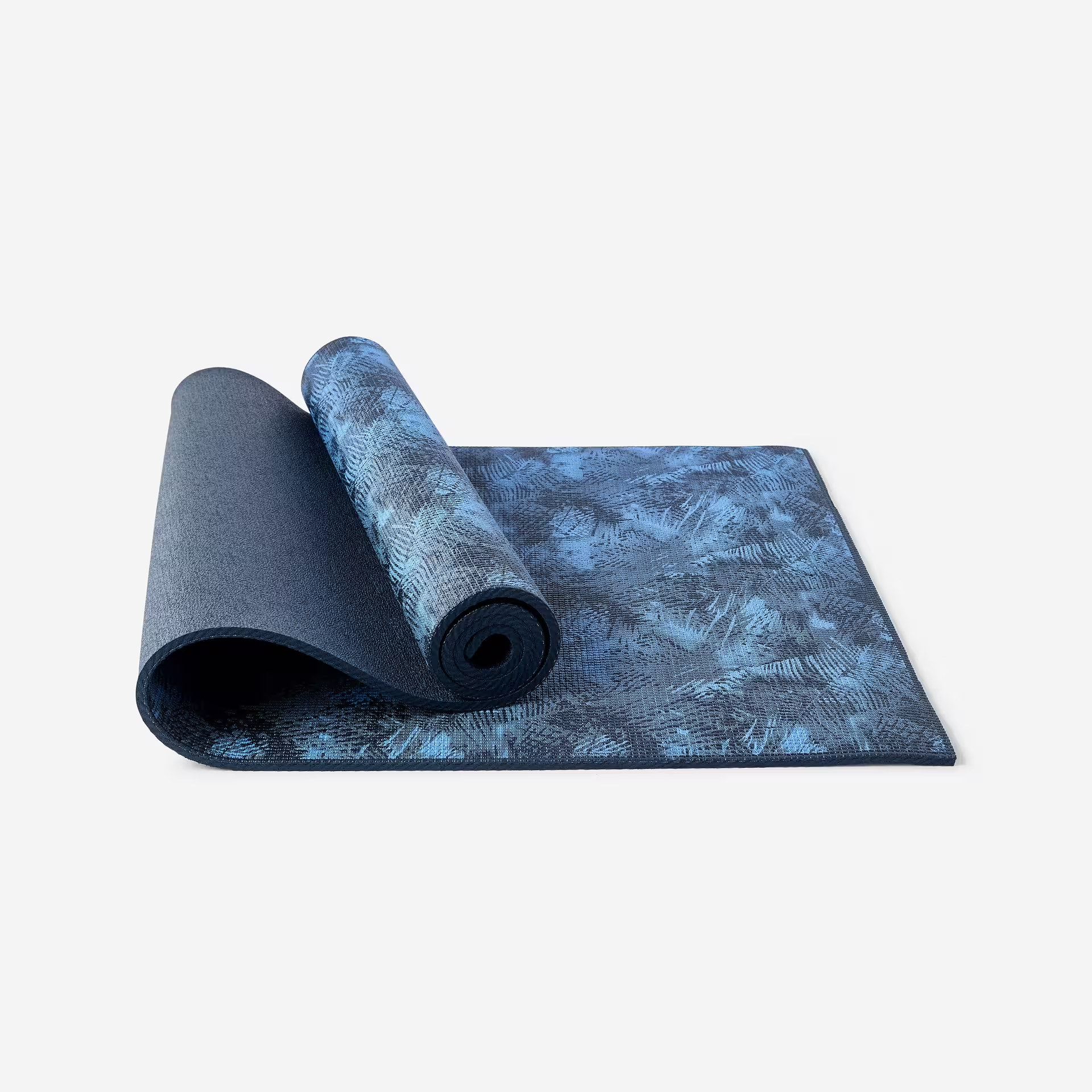
Decoding Yoga Mat Materials: What’s Underfoot?
The material of your yoga mat is perhaps the most critical factor, influencing its grip, cushioning, weight, durability, and environmental footprint. Understanding the pros and cons of each will empower you to make an informed choice.
Natural Rubber Yoga Mats
Natural rubber mats, derived from sustainably harvested rubber trees, are champions of grip and eco-friendliness. They offer superb traction, even in moderately sweaty conditions, and provide excellent cushioning. Many brands, including YOGAFLEX, prioritize natural rubber for its renewable nature and biodegradability. However, they can be heavier than other types, and some users might notice a distinct rubber scent initially. It’s also important to note that natural rubber contains latex, making them unsuitable for individuals with latex allergies.
Cork Yoga Mats
For the eco-conscious yogi, cork mats are a fantastic choice. Made from the bark of cork oak trees (a process that doesn’t harm the tree), cork is naturally antimicrobial and resists odors, offering a remarkably hygienic surface. What’s truly impressive about cork is its unique grip: it actually becomes more grippy when wet, making it ideal for hot yoga or high-sweat practices. “Cork’s natural, non-slip texture truly shines when you’re working up a sweat,” says Dr. Anya Sharma, a materials science expert. “It’s Mother Nature’s answer to challenging poses.” While generally thinner, they still provide adequate support and are relatively lightweight.
TPE (Thermoplastic Elastomer) Yoga Mats
TPE mats are a blend of plastic and rubber polymers, designed to be a more environmentally friendly alternative to traditional PVC. They are lightweight, generally non-toxic, and often recyclable. TPE mats offer a good balance of cushioning and grip, making them a popular choice for beginners or those seeking a lighter mat for portability. Their durability might not match that of natural rubber or high-density PVC, but they represent a solid mid-range option.
PVC (Polyvinyl Chloride) Yoga Mats
Historically, PVC mats were the most common. They are known for their exceptional durability, affordability, and a signature “stickiness” that offers excellent floor grip. PVC mats are also easy to clean. However, they are non-biodegradable, often contain phthalates, and can emit a chemical odor, especially when new. They also tend to be non-absorbent, which can make them slippery if you sweat heavily. For these reasons, many yogis and brands, including YOGAFLEX, are moving towards more sustainable alternatives.
PU (Polyurethane) + Rubber Yoga Mats
This combination offers a premium experience, blending the superior grip and sweat-wicking properties of polyurethane with the stability and cushioning of natural rubber. Mats like the popular Liforme Classic are known for their laser-etched alignment guides and incredible non-slip surface, even in the sweatiest sessions. They absorb moisture efficiently, preventing slippage. The trade-off often lies in the higher price point and the need for more delicate cleaning to maintain the PU surface.
Jute and Organic Cotton Yoga Mats
These natural fiber mats offer a unique tactile experience. Jute provides a sturdy, textured surface with good moisture absorption, blending natural grip with a rustic feel. Organic cotton mats are incredibly soft and highly absorbent, perfect for restorative practices or as a top layer for added hygiene. Both are biodegradable and reflect a deep commitment to natural materials. However, they typically offer less cushioning and direct floor grip compared to rubber or PVC, often performing best when layered or used for less dynamic styles.
Thickness Matters: Finding Your Sweet Spot
The thickness of your yoga mat directly impacts your comfort and stability. It’s a delicate balance, and the “best” thickness depends entirely on your personal needs and practice style.
A standard yoga mat generally falls in the 1/8-inch (3-5mm) range. This thickness offers a good compromise, providing enough cushioning to protect your joints during kneeling poses without being so thick that it compromises your connection to the floor in balancing postures. “For dynamic practices like Vinyasa, a mat around 4-5mm allows for a strong connection to the earth, which is vital for stability,” advises Isabella Rodriguez, a seasoned YOGAFLEX yoga instructor. “Too much padding can make you feel wobbly.”
For those who prioritize deep cushioning due to joint sensitivities or a preference for restorative and therapeutic styles, thicker mats (6-8mm) are a godsend. They offer plush support, making floor work and longer holds exceptionally comfortable. Conversely, if you’re a frequent traveler or prefer a strong, direct connection to the floor for advanced balancing poses, a wafer-thin travel mat (1/16-inch or less) that folds easily into luggage might be your go-to.
Grip and Texture: Staying Grounded in Every Pose
The “stickiness” or grip of your yoga mat is non-negotiable for a safe and effective practice. Without adequate grip, hands and feet can slide, leading to misalignment and potential injury.
Different materials offer distinct grip experiences. PVC mats were traditionally known for their “sticky” feel, while natural rubber and cork provide a more organic, tactile grip that often improves with moisture. Polyurethane surfaces are celebrated for their micro-grip properties, allowing for firm stability even when drenched in sweat.
The mat’s texture also plays a role. Some mats feature subtly raised patterns or a natural, slightly rough surface (like jute or cork) to enhance traction. Others have a smoother finish, relying on the material’s inherent properties for grip. If you tend to sweat heavily, especially in your hands and feet, an open-cell construction or a mat known for its wet-grip performance (like cork or PU/rubber blends) will be paramount. Many yogis also opt for a yoga towel to layer over their mat, providing an extra absorbent and grippy surface for hot yoga.
Choosing the Best Yoga Mat 2023: A YOGAFLEX Guide for Every Yogi
Finding your ideal mat is a personal journey, but here’s a YOGAFLEX guide to match your mat to your unique yoga path:
For Beginners
If you’re just starting your yoga journey, prioritize a mat that offers a good balance of cushioning and reliable grip. A standard 1/8-inch (3-5mm) mat made of natural rubber or TPE is often an excellent starting point. It provides enough comfort for new poses and sufficient stability to build confidence without breaking the bank.
For Hot Yoga Enthusiasts
When sweat is an inevitable part of your practice, superior wet grip and absorbency are key. Cork mats, with their unique property of becoming grippier when moist, are a fantastic choice. PU + rubber mats also excel in these conditions, providing unwavering traction. Consider a mat with an open-cell surface to wick away moisture effectively.
For Travelers
Portability is paramount for the yogi on the go. Look for ultra-lightweight and thin mats, typically 1/16-inch thick or less, that can be folded or rolled compactly into your luggage. While they offer less cushioning, their convenience for travel is unmatched.
For Eco-Conscious Practitioners
If sustainability aligns with your values, opt for mats made from natural rubber, cork, jute, or organic cotton. Brands that focus on responsible sourcing, non-toxic dyes, and ethical manufacturing practices, much like YOGAFLEX, will be your preferred choice. Look for certifications or clear statements about a brand’s environmental commitment.
For Those with Joint Sensitivity
If you experience knee pain, wrist discomfort, or simply desire more support, a thicker mat (6-8mm) will be your best friend. These mats offer plush cushioning, absorbing impact and providing a softer surface for restorative poses and floor work. Natural rubber and high-density TPE options can offer this enhanced comfort without being overly bulky.
Beyond the Practice: Care and Maintenance for Your Yoga Mat
Just like your body, your yoga mat thrives with regular care. Proper cleaning and storage extend its lifespan, maintain its performance, and ensure a hygienic practice.
- Cleaning: Most mats benefit from a gentle wipe-down after each use with a damp cloth and a mild, natural cleanser (or simply water). For deeper cleaning, especially for natural rubber or PU mats, avoid harsh chemicals or excessive scrubbing, as these can degrade the material. Cork mats are naturally antimicrobial and often only require a quick wipe. Always allow your mat to air dry completely before rolling it up to prevent mildew.
- Storage: Store your mat rolled, ideally with the top surface facing outwards to prevent edges from curling. Keep it out of direct sunlight and extreme temperatures, which can damage materials like natural rubber over time.
Integrating Your Mat into a Holistic Practice
Your yoga mat is more than just a piece of equipment; it’s a partner in your holistic journey. The right mat enhances the connection between your body, mind, and spirit, allowing you to fully immerse yourself in each pose and breath.
For dynamic styles like Vinyasa or Ashtanga, a grippy, stable mat ensures seamless transitions and confident inversions. In a slow, mindful Hatha or Restorative practice, ample cushioning fosters deeper relaxation and comfort. Pair your mat with quality yoga props – blocks for support, straps for extension, and YOGAFLEX towels for sweat absorption – to unlock new possibilities in your practice. When your mat supports you completely, you’re free to explore deeper stretches, hold longer poses, and cultivate a profound sense of inner peace.
Frequently Asked Questions (FAQ)
What is the best yoga mat for slippery hands?
For slippery hands, mats made from cork or PU + natural rubber blends are excellent choices as their grip often improves with moisture. You can also use a yoga mat towel on top of your existing mat for added absorbency and grip.
How often should I replace my yoga mat?
The lifespan of a yoga mat varies greatly depending on its material, how often you practice, and how well you care for it. High-quality mats made of natural rubber or durable PVC can last for several years, even a decade, with proper maintenance. Thinner or less durable materials might need replacing every 1-3 years if used frequently. Look for signs of wear like flaking, loss of grip, or permanent indentations.
Are expensive yoga mats worth it?
Often, yes. Higher-priced yoga mats typically use premium, sustainable materials that offer superior grip, cushioning, and durability. They are designed for a more consistent and comfortable practice and can last much longer, making them a worthwhile investment in the long run. YOGAFLEX focuses on providing this enduring value.
Can I use a yoga mat for other exercises?
Absolutely! While optimized for yoga, most yoga mats can be used for various floor exercises, Pilates, stretching, or even light strength training. Just consider if the mat’s thickness and grip are suitable for the specific movements you’ll be performing.
How do I break in a new yoga mat?
Some mats, particularly certain high-performance rubber mats like the Manduka PRO, may require a “break-in” period where they can feel a bit slippery initially. This often involves regular use, wiping with a damp cloth, or even a salt scrub (as recommended by some manufacturers) to enhance grip over time. Always check the manufacturer’s specific instructions.
Embrace Your Journey with YOGAFLEX
Choosing the best yoga mat 2023 is a deeply personal decision, one that reflects your practice, your values, and your commitment to well-being. At YOGAFLEX, we are dedicated to crafting premium yoga mats and accessories that meet the highest standards of quality, performance, and sustainability. As you embark on or continue your yoga journey, remember that your mat is your sacred space – choose wisely, care for it well, and let it support you in every breath and every pose. Explore our collection and find the YOGAFLEX mat that’s perfectly aligned with your mindful path.