Stepping onto a yoga mat for the very first time can feel like the beginning of an incredible journey—a path toward strength, flexibility, and inner peace. But before you master your first downward dog or warrior pose, there’s one crucial decision to make: choosing the Best Yoga Mat For Beginners. It’s not just a piece of equipment; it’s your personal foundation, your sacred space, and your first partner in this transformative practice. The right mat can make all the difference, providing the support and confidence you need to truly embrace the world of yoga.
For newcomers, a yoga mat isn’t merely about aesthetics; it’s about comfort, safety, and enhancing your learning experience. A quality mat protects your joints, prevents slips, and helps you feel more connected to the earth beneath you, making every pose more accessible and enjoyable. YOGAFLEX understands that embarking on your yoga journey requires the perfect starting point, and that begins with a mat designed to meet your unique needs as a beginner.
Why Your First Yoga Mat Matters More Than You Think
Imagine trying to balance on a slippery surface or feeling sharp pain in your knees during a low lunge. Not exactly inspiring, right? For beginners, these experiences can quickly turn enthusiasm into frustration. A well-chosen yoga mat acts as your silent teacher and steadfast ally, absorbing impact, providing stable grip, and cushioning your body as you explore new postures. It builds trust in your foundation, allowing you to focus on alignment and breath rather than worrying about slipping or discomfort. This fundamental support is key to developing a consistent and joyful practice, making your early yoga days a journey of discovery rather than a test of endurance. A good mat helps prevent common beginner injuries, fostering a sense of security that encourages deeper exploration of each pose.
Navigating the Mat Maze: Key Features for Beginners
Choosing the ideal mat can seem daunting with so many options available. Let’s break down the essential features every beginner should consider to find their perfect match.
Thickness: Cushioning Your Journey
When you’re starting out, your joints might not be accustomed to the pressure of certain poses. This is where mat thickness truly shines.
What is the best thickness for a beginner yoga mat?
For beginners, a mat thickness of 6mm or more is generally recommended to provide ample cushioning for knees, wrists, and the spine. This extra padding helps soften the impact on your joints during poses like cat-cow, kneeling lunges, or even just sitting comfortably for meditation. While thinner mats (1-2mm) are great for travel, they offer minimal cushioning and can be uncomfortable for new yogis. Mats in the 3-5mm range strike a balance, offering some support while maintaining closer contact with the floor, which can be beneficial for stability. However, if you have sensitive joints or prefer a more gentle practice like Hatha or Restorative yoga, leaning towards a thicker mat will significantly enhance your comfort. It’s about finding that sweet spot where you feel supported without feeling too disconnected from the ground, which could affect your balance in standing poses.
Grip: Staying Grounded, Not Slipping
One of the most common fears for new yogis is slipping, especially when hands and feet get sweaty. A reliable grip is paramount for building confidence and maintaining proper alignment.
Do I need a sticky mat as a beginner?
Yes, a sticky, non-slip yoga mat is highly recommended for beginners to ensure stability and safety, helping you hold poses confidently without worrying about your hands or feet sliding. Mats with excellent dry and wet traction provide a secure surface, which is crucial as you learn to distribute your weight and find your balance. Some materials, like natural rubber or cork, are known for their superior grip, with cork often becoming even grippier when wet. Closed-cell mats, which repel moisture, tend to be slicker unless they feature a specialized textured surface. Opting for a mat that offers consistent grip, regardless of sweat, will allow you to deepen your poses and transitions without hesitation. This unwavering grip is what allows you to truly trust your mat and explore your body’s capabilities.
Material Matters: What’s Underfoot?
The material of your yoga mat influences its grip, cushioning, durability, and even its eco-friendliness.
What material is best for a beginner yoga mat?
The best material for a beginner yoga mat often balances grip, comfort, and durability, with popular choices including natural rubber, TPE, and even PVC for its longevity.
- PVC (Polyvinyl Chloride): Often found in traditional yoga mats, PVC is highly durable, easy to clean, and provides a good level of stickiness. However, it is not considered eco-friendly. The Manduka PRO is a classic example, renowned for its incredible lifespan—some testers have used theirs for 20 years.
- Natural Rubber: Praised for its excellent grip and eco-friendly properties, natural rubber mats are a popular choice. They can be heavier and may have an initial rubbery smell, which usually dissipates. Jade Yoga Harmony and Manduka eKO are well-regarded rubber options.
- TPE (Thermoplastic Elastomer): A good eco-friendlier alternative to PVC, TPE mats are recyclable, lighter than rubber, and offer a comfortable, soft texture with decent grip. The Gruper Non-Slip Yoga Mat uses TPE and is noted for its firm cushioning.
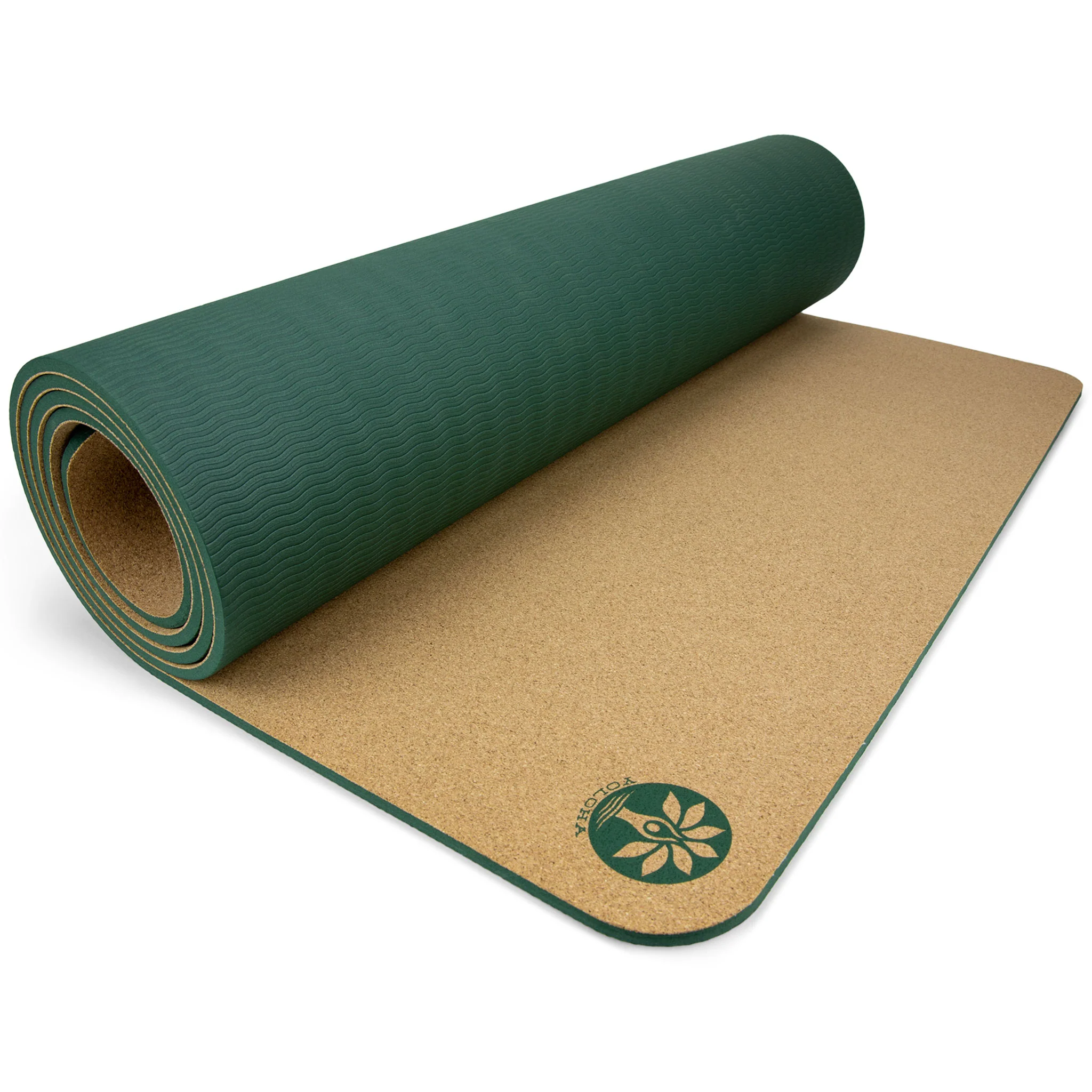
- Cork: An increasingly popular sustainable option, cork mats are naturally antimicrobial and often become grippier when wet, making them excellent for hot yoga. They offer a firm, grounding feel, though some can be slippery when dry. Yoloha Aura Cork is a lightweight and supportive cork option.
- Foam (NBR): Often used in thicker, budget-friendly mats, NBR foam provides plush cushioning, ideal for restorative practices or those with sensitive joints. However, they might offer less stability for dynamic poses and may not be as durable. The Amazon Basics Extra Thick Yoga Mat and Gaiam Essentials Yoga Mat are examples of foam mats providing generous padding.
Consider what aligns with your values—durability, sustainability, or budget—when selecting a material.
Size and Portability: Finding Your Fit
Most yoga mats come in a standard size (around 68 inches long by 24 inches wide), but personal preference and lifestyle play a role.
How to choose a yoga mat for my first class, considering size and weight?
For your first class, choose a mat that comfortably accommodates your full body in poses like Downward Dog, ensuring your hands and feet stay on the mat. If you’re taller than 5 feet 5 inches, a longer mat (e.g., 72 inches or more) might prevent you from feeling cramped during stretches. For studio classes, portability matters; lighter mats (under 4 lbs) with a carrying strap are easier to transport. If your practice is primarily at home, a heavier, larger mat (e.g., Lululemon The (Big) Mat or Manduka PRO Long & Wide) can offer more space and stability without the concern of lugging it around. “The right size makes all the difference in feeling unconstrained in your practice,” says Amelia Chen, a YOGAFLEX product specialist. “A mat that’s too short can disrupt your flow, while one that’s too heavy might deter you from taking your practice on the go.”
Price and Durability: An Investment in Your Practice
While it’s tempting to grab the cheapest mat, especially as a beginner, considering durability can save you money and hassle in the long run.
Is it worth it to buy an expensive yoga mat as a beginner?
Investing in a moderately priced, high-quality yoga mat can be worthwhile for beginners who plan to practice regularly, as these mats often offer superior grip, cushioning, and durability that enhance the overall experience and longevity. More expensive mats (like the Manduka PRO) are often designed to last for many years, even decades, making them a wise long-term investment. However, there are also excellent budget-friendly options, such as the Iuga Eco Friendly Non Slip or Gaiam Essentials, that provide great features for their price point, allowing you to start without a significant upfront cost. Balancing cost with performance and how frequently you intend to practice is key. Think of it as investing in your well-being; a mat that supports your practice effectively is truly priceless.
YOGAFLEX Recommends: Essential Attributes for New Yogis
At YOGAFLEX, we believe your first yoga mat should embody our core values: quality, sustainability, and support for your holistic growth. For new yogis, we prioritize mats that offer a harmonious blend of stability, comfort, and a non-slip surface, crafted from materials that respect both your body and the planet. Look for mats with a supportive thickness (6mm is often ideal), ensuring your joints are protected without compromising your connection to the ground. Superior, consistent grip is non-negotiable, providing the confidence to hold poses and transition smoothly. We also champion eco-conscious materials like natural rubber or cork, knowing that a mindful practice extends to the products we use.
Caring for Your Mat: Longevity Through Love
Proper care significantly extends the life of your best yoga mat for beginners, keeping it hygienic and effective.
How often should I clean my yoga mat?
You should regularly clean your yoga mat after each practice to remove sweat and oils, with a deeper clean recommended periodically to prevent odor buildup and maintain hygiene. For daily cleaning, a simple wipe-down with water or a mild, mat-specific cleaning spray is sufficient, especially for closed-cell mats that repel moisture. Open-cell mats, which absorb sweat, may require more frequent deep cleaning, such as rinsing in the shower or soaking, to prevent bacteria and odors from settling in. Always allow your mat to air dry completely before rolling it up to prevent mildew and damage. Rolling cork mats cork-side out also helps prevent cracking and maintains their integrity. A little consistent care ensures your mat remains a clean and reliable foundation for years to come.
Enhancing Your Practice: Beyond the Mat
Your yoga mat is the heart of your practice, but it’s just the beginning. A quality mat provides the stable base needed to explore various yoga styles, from the fluid movements of Vinyasa to the long, deep stretches of Yin. It allows you to feel secure whether you’re building heat in a dynamic flow or finding stillness in a restorative pose. To further support your journey, consider incorporating other YOGAFLEX premium workout accessories. Yoga blocks can help you modify poses, deepen stretches, and improve alignment, while straps assist in reaching limbs and opening tight areas. These complementary tools work hand-in-hand with your mat to unlock new levels of flexibility, strength, and balance, enriching every aspect of your evolving yoga practice.
Frequently Asked Questions (FAQ)
How thick should a beginner yoga mat be?
For beginners, a mat that is 6mm (approximately 1/4 inch) thick is often recommended. This thickness provides excellent cushioning for your joints, such as knees and wrists, without making you feel unstable during standing poses.
Do I need a sticky mat as a beginner?
Yes, a sticky, non-slip mat is highly beneficial for beginners. It helps prevent your hands and feet from sliding, which is crucial for maintaining balance, building confidence, and practicing poses safely and effectively.
Are eco-friendly mats good for beginners?
Absolutely! Many eco-friendly mats, often made from natural rubber or cork, offer excellent grip and cushioning, which are key features for beginners. They also align with a mindful and sustainable lifestyle, making them a great choice.
How often should I clean my yoga mat?
It’s best practice to wipe down your yoga mat with a gentle cleaner or water after every use, especially if you sweat during your practice. This prevents the buildup of bacteria and keeps your mat fresh and hygienic.
What’s the best budget yoga mat for beginners?
The “best” budget mat depends on your specific needs, but options like the Iuga Eco Friendly Non Slip or Gaiam Essentials Yoga Mat offer a good balance of cushioning, grip, and affordability, making them excellent starting points for new yogis.
Conclusion
Choosing the best yoga mat for beginners is a pivotal step on your yoga journey, laying the groundwork for a practice that is both safe and deeply rewarding. By focusing on essential features like appropriate thickness, reliable grip, and durable materials, you set yourself up for success, allowing you to move with confidence and comfort. Remember, your mat is more than just an accessory; it’s a personal sanctuary where you connect with your breath, strengthen your body, and calm your mind. With the right mat beneath you, you’re ready to embrace every pose, every challenge, and every moment of peace that yoga has to offer. Step onto your YOGAFLEX mat, breathe deeply, and embark on your incredible yoga adventure with a strong and inspired start.