Ever felt like your yoga mat was shrinking mid-flow? Like your hands or feet kept inching off the edges, disrupting your focus and pulling you out of that precious moment of zen? You’re not alone. While standard yoga mats have served us well for years, many practitioners, from seasoned yogis to fitness enthusiasts, are discovering the undeniable advantages of a Big Yoga Mat. It’s not just about size; it’s about freedom, versatility, and creating a truly expansive space for your practice to flourish.
The Evolution of the Yoga Mat: From Humble Beginnings to Grand Scale
For a long time, the yoga mat was a simple, functional tool – a personal patch of grip and cushion between you and the floor. It was about defining your space, both physically and mentally. However, as yoga evolved and integrated with other fitness modalities, and as our understanding of movement deepened, the limitations of a standard mat became apparent for many. Taller individuals found their feet dangling off the end in Downward Dog, broader shoulders struggled to stay contained in Plank, and dynamic flows felt constrained.
This growing need paved the way for the big yoga mat. It wasn’t just a niche product; it was a response to a desire for more space, more comfort, and more freedom to move without restriction. Think of it as upgrading from a cozy nook to a spacious studio, all within the confines of your personal practice area. This shift has redefined what a yoga mat can be, transforming it into a true foundation for a holistic movement practice.
Why Go Big? Unveiling the Benefits of an Oversized Yoga Mat
So, what exactly makes a big yoga mat such a game-changer? It boils down to several key advantages that can profoundly impact your practice and overall well-being.
1. Unrestricted Movement and Dynamic Flows
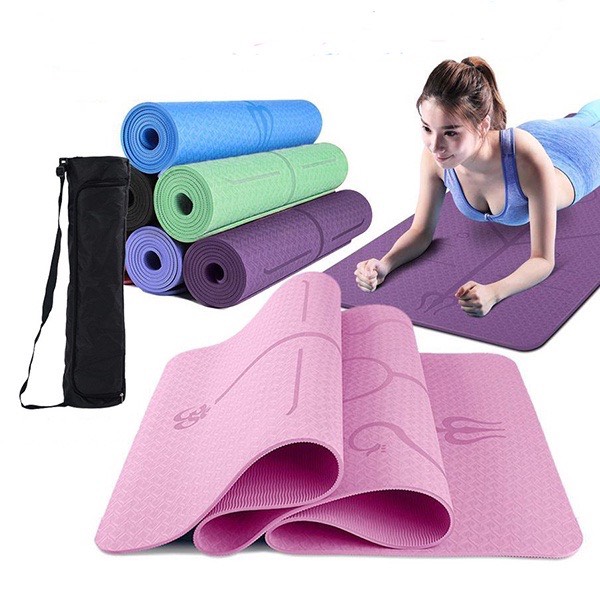
One of the most immediate benefits is the sheer expanse of space. Whether you’re transitioning between poses in a flowing Vinyasa sequence, practicing wide-legged stances, or simply adjusting your alignment, a big yoga mat ensures your hands and feet remain firmly on the mat. No more awkward adjustments or fear of slipping off the edge, allowing you to immerse fully in your movement. This extra room is particularly valuable for styles like Ashtanga or power yoga, which involve larger movements and jumps.
2. Accommodates Every Body
Let’s be real, not everyone fits perfectly on a standard 68×24-inch mat. Taller individuals, those with a larger frame, or even just people who prefer to spread out, often find conventional mats too small. A big yoga mat, typically ranging from 72×30 inches up to 84×48 inches or even larger, provides ample room, ensuring every limb has a comfortable and stable surface. This inclusivity means a more comfortable and effective practice for everyone.
3. Versatility Beyond Yoga
Don’t let the name fool you; a big yoga mat isn’t just for yoga. Its expansive surface makes it ideal for a wide array of other fitness activities. Think Pilates, bodyweight strength training, HIIT workouts, stretching routines, or even just general floor exercises. You can perform burpees, mountain climbers, planks, and lunges without having to constantly reposition yourself or worry about hitting the hard floor. It essentially transforms any room into a personal home gym.
4. Enhanced Comfort and Support
With greater surface area often comes a sense of groundedness and stability. Many big yoga mat options also come with increased thickness, offering superior cushioning for your joints. This extra padding is a blessing for poses that put pressure on knees, wrists, or hips, allowing for a more comfortable and sustainable practice. It also makes savasana (final relaxation) feel even more luxurious when you can fully extend without touching the floor.
“A big yoga mat fundamentally shifts your practice from feeling confined to truly liberated,” says Anya Sharma, a seasoned yoga instructor with two decades of experience. “It removes the mental hurdle of staying ‘on the mat’ and invites practitioners to explore their full range of motion with confidence.”
Decoding the Dimensions: What’s the Right Size Big Yoga Mat for You?
When we talk about a big yoga mat, we’re generally referring to mats that offer more length, more width, or both, compared to the standard.
- Standard: Around 68″x24″ (173×61 cm)
- Extra Long: Typically 72″ or 74″ long, maintaining standard width.
- Extra Wide: Often 28″ to 30″ wide, maintaining standard length.
- Oversized/Home Gym Mats: Can be 72″x36″, 84″x36″, 84″x48″, or even larger, providing significant space in both directions.
To find your ideal big yoga mat size, consider:
- Your Height: In Downward Dog, your heels should ideally be on the mat with a few inches to spare. A good rule of thumb is a mat that’s at least 6-8 inches longer than your height.
- Your Width: When lying flat with arms extended, your hands should ideally stay on the mat.
- Your Practice Style: Do you do lots of dynamic, expansive movements? A wider mat will be beneficial.
- Your Space: Measure the area where you’ll primarily use the mat. A sprawling big yoga mat might not be practical in a tiny apartment, but for a dedicated home gym, it’s perfect.
Material Matters: Choosing the Perfect Fabric for Your Big Yoga Mat
Just like standard mats, big yoga mats come in a variety of materials, each offering different properties in terms of grip, cushioning, durability, and eco-friendliness.
- Natural Rubber: Known for excellent grip, especially when wet, making it great for hot yoga. It’s also biodegradable and sustainable. However, it can be heavy and might have a distinct scent.
- TPE (Thermoplastic Elastomer): A good eco-friendly alternative, TPE mats are lightweight, offer good grip, and are generally free of latex and PVC. They provide decent cushioning and are often quite durable.
- PVC (Polyvinyl Chloride): The traditional yoga mat material. PVC mats are very durable and offer good grip, but they are not biodegradable and can contain phthalates, making them less eco-friendly.
- Cork/Jute: Sustainable and naturally antimicrobial, these materials offer a unique texture and decent grip. Cork tends to get grippier when wet. They might offer less cushioning than rubber or TPE.
When choosing, consider how much grip you need, whether you prioritize sustainability, and the overall feel you prefer against your skin. A durable material is especially important for a big yoga mat that might see more intensive, varied use.
Thickness and Support: Finding Your Sweet Spot
The thickness of your big yoga mat significantly impacts comfort and stability.
- Thin (3-4mm): Offers great stability and a direct connection to the floor, ideal for balancing poses where you need to feel grounded. Less cushioning.
- Medium (5-6mm): A popular all-around choice, providing a good balance of cushioning and stability for most yoga styles and general floor exercises.
- Thick (8-15mm+): Offers maximum cushioning, perfect for sensitive joints, Pilates, ab work, or rehabilitation exercises. Might feel less stable for standing balances.
Your ideal thickness depends on your body’s needs and the primary use of your mat. If you’re using your big yoga mat for high-impact workouts, extra thickness might be a priority. For a primarily yoga-focused practice, a medium thickness often strikes the right balance.
Caring for Your Colossal Companion: Maintenance Tips for Your Big Yoga Mat
A big yoga mat is an investment in your practice, and proper care will ensure its longevity.
- Regular Cleaning: After each intense session, wipe down your mat with a damp cloth and a mild, diluted cleaning solution (e.g., water with a few drops of essential oil or white vinegar). For a deeper clean, specialized mat cleaners are available.
- Air Dry Thoroughly: Always allow your mat to air dry completely before rolling it up or storing it. This prevents mildew and odors. Avoid direct sunlight, which can degrade some materials.
- Proper Storage: Most big yoga mats are best stored rolled up to prevent creases. Store it in a cool, dry place. For very large, heavy mats designed for permanent home gym setups, lying flat might be more practical.
- Material-Specific Care: Refer to the manufacturer’s instructions, as natural rubber mats may require different care than PVC or TPE.
Beyond the Mat: Integrating Your Big Yoga Mat into a Holistic Practice
The beauty of a big yoga mat lies in its ability to be a central hub for your entire wellness journey.
- Dynamic Yoga: For styles like Vinyasa, Ashtanga, or Power Yoga, the extra room facilitates smooth transitions, jump-throughs, and expansive warrior poses without needing to adjust your position.
- Restorative Practices: Imagine fully sprawling out in Savasana or Supported Child’s Pose, with your entire body comfortably supported by the mat. It enhances relaxation and encourages deeper surrender.
- Fitness Fusion: Integrate strength training, plyometrics, or mobility work directly onto your mat. The stable, spacious surface supports everything from push-ups and squats to lunges and core exercises, making your home workout space incredibly versatile.
- Mindful Space Creation: Designate your big yoga mat as the heart of your personal wellness sanctuary. Add cushions, blankets, or aromatherapy to enhance the experience, creating a space that inspires calm and consistent practice.
FAQs about Big Yoga Mats
Q: What exactly is a big yoga mat?
A: A big yoga mat is a yoga or exercise mat that offers significantly more length, width, or both, compared to a standard mat (typically 68″x24″). These mats can range from 72″x26″ up to 84″x48″ or larger, providing extra space for movement and various exercises.
Q: Who benefits most from a big yoga mat?
A: Anyone can benefit, but they are particularly ideal for taller individuals, people with broader shoulders, those who enjoy dynamic and expansive yoga flows, practitioners of mixed martial arts or bodyweight training, and anyone creating a dedicated home gym space.
Q: Are big yoga mats harder to clean or store?
A: While a big yoga mat covers more surface area, the cleaning process is the same as a standard mat—a simple wipe-down after use. Storage can be slightly more challenging due to size, but many roll up for compact storage, and some heavy-duty options are designed to stay unrolled in a dedicated area.
Q: Can I use a big yoga mat for outdoor yoga?
A: Yes, many big yoga mats are suitable for outdoor use, especially if they are made from durable materials like natural rubber or TPE. Just ensure the surface underneath is relatively smooth, and remember to clean it thoroughly after outdoor sessions.
Q: How much does a good big yoga mat cost?
A: The price of a good big yoga mat can vary widely based on size, material, thickness, and brand. You can expect to pay anywhere from $60 to $200 or more for a high-quality, durable option, reflecting the larger material usage and often superior construction.
Your Practice, Amplified
Ultimately, choosing a big yoga mat is about investing in your comfort, freedom, and the depth of your practice. It’s about providing yourself with the optimal canvas to explore every pose, every stretch, and every movement without the distraction of confinement. Whether you’re reaching for the sky in a Half Moon or settling into a peaceful Savasana, the extra space allows you to fully inhabit your practice, enriching your mind, body, and spirit.
So, if you’re ready to break free from the edges and embrace a new level of comfort and versatility, it might be time to unroll a big yoga mat and discover how much more room there is to grow. Go on, give yourself the space you deserve!