Stepping onto your yoga mat marks the beginning of a journey—a journey of self-discovery, strength, and inner peace. But what if your mat could also be a step towards a more sustainable world? For YOGAFLEX, the commitment to conscious living extends beyond your practice to the very foundation you build it upon. An Eco Yoga Mat isn’t just a trend; it’s a mindful choice, aligning your values with your vibrant lifestyle and creating a pure space for your physical and spiritual growth. It’s about ensuring that your pursuit of well-being doesn’t come at the Earth’s expense.
The Silent Cost: Why Traditional Yoga Mats Fall Short
For decades, the humble yoga mat has been an essential tool, evolving from simple woven rugs to the synthetic options we often see today. However, this evolution took a detour when polyvinyl chloride, or PVC, became the industry standard. While affordable and readily available, PVC mats carry a hidden cost. They are often laden with phthalates and other chemicals that can release volatile organic compounds (VOCs) into the air you breathe during your practice, and these can disrupt hormones and affect long-term health. Beyond personal well-being, PVC mats are a significant environmental burden. Non-biodegradable and difficult to recycle, they contribute to landfill waste for centuries, leaching toxins into our soil and water. As conscientious yogis, we understand that true harmony involves nurturing not just ourselves, but also the planet that sustains us.
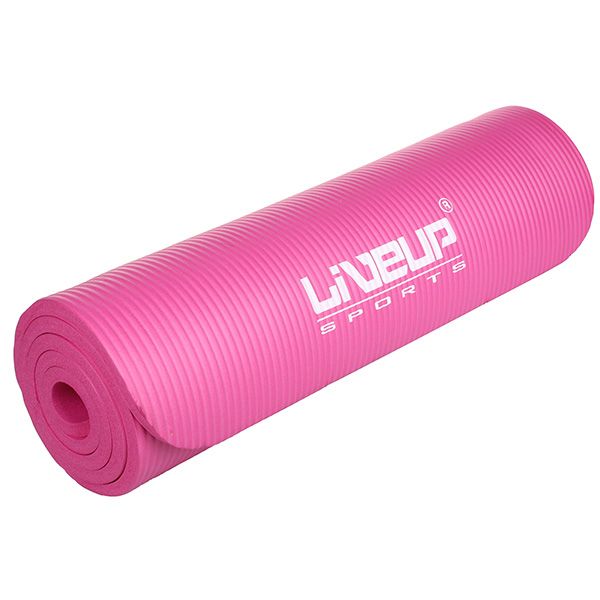
Embracing Nature: Understanding Eco Yoga Mat Materials
The good news is that the world of eco yoga mats offers a rich tapestry of natural and sustainable alternatives, each bringing unique properties to your practice. Moving away from harmful synthetics means choosing materials that are kind to you and the Earth.
Natural Rubber
Imagine practicing on a mat born from the sap of rubber trees, a renewable resource. Natural rubber eco yoga mats are renowned for their exceptional grip, providing unparalleled stability even in the sweatiest hot yoga sessions. They offer a comfortable, dense cushion that supports joints while keeping you grounded. Biodegradable and free from PVC, these mats are a popular choice for their performance and environmental credentials. It’s worth noting that while generally safe, those with severe latex allergies should seek latex-free natural rubber options.
Cork
The bark of the cork oak tree offers a truly remarkable material for an eco yoga mat. Harvested without harming the tree, which regenerates its bark over time, cork is a highly sustainable and renewable resource. Cork mats are naturally antimicrobial and antibacterial, meaning they resist odors and germs, keeping your practice space fresh. Their unique surface provides incredible grip, which often improves when wet, making them ideal for vigorous flows. Often backed with natural rubber for added stability, cork mats are a firm favorite for a clean, secure, and uniquely textured practice.
Jute
With a history as old as yoga itself, jute is a natural plant fiber known for its remarkable durability and rustic charm. Jute eco yoga mats provide a firm, earthy surface with excellent non-slip properties due to their natural texture. These mats are biodegradable and renewable, offering a strong connection to nature beneath your hands and feet. While they might feel firmer than other materials, many yogis appreciate the grounding sensation and the robust support they offer, especially in standing poses.
Organic Cotton
For those who prefer a softer, more traditional feel, organic cotton yoga mats or rugs are a beautiful option. Free from pesticides and harsh chemicals, organic cotton is a breathable, renewable resource that is gentle on the skin. Some organic cotton mats are even dyed with healing herbs, adding natural antibacterial and antifungal properties. While they may offer less grip than rubber or cork, they are often machine washable and provide a comforting, absorbent surface, perfect for restorative practices or as a top layer for added absorbency.
TPE (Thermoplastic Elastomer)
While not entirely natural, TPE is a significant step up from PVC. It’s a biodegradable, recyclable plastic that is free from PVC, latex, and other toxic heavy metals. TPE eco yoga mats are generally lightweight, offering good cushioning and grip. They represent a more accessible eco-friendly option for many, balancing environmental consideration with affordability and performance. For many, it’s a conscious compromise when fully natural options aren’t feasible.
Recycled Materials
Innovation continues to bring new sustainable options, with some brands creating eco yoga mats from 100% recycled materials, such as repurposed wetsuits. This inventive approach gives new life to waste, preventing it from ending up in landfills and offering a truly circular solution for conscientious yogis.
More Than Just a Mat: The Profound Benefits of an Eco Yoga Mat
Choosing an eco yoga mat is a holistic decision that extends far beyond a simple purchase. It’s a statement, a philosophy, and an enhancement to every aspect of your yoga journey.
Health and Wellness: A Pure Practice Space
One of the most immediate and impactful benefits is creating a non-toxic environment for your practice. By opting for an eco yoga mat, you eliminate exposure to harmful chemicals like phthalates, VOCs, and heavy metals commonly found in conventional mats. This means you’re breathing cleaner air and absorbing fewer undesirable substances through your skin, fostering a truly pure and healthy space for your body and mind to flourish. It ensures that your journey inward is free from external contaminants.
Environmental Stewardship: Reducing Your Footprint
An eco yoga mat is a tangible way to live your yoga off the mat. Made from sustainable, renewable, and often biodegradable or recyclable materials, these mats significantly reduce your environmental footprint. Choosing an eco yoga mat supports responsible manufacturing, less waste in landfills, and often promotes ethical sourcing practices. It’s a powerful way to honor Ahimsa, the yogic principle of non-harming, by extending compassion to our planet.
Enhanced Practice: Grip, Comfort, and Connection
Beyond ethics, eco yoga mats often offer superior performance. Materials like natural rubber and cork provide exceptional grip, ensuring stability in challenging poses and preventing slips, especially during sweaty sessions. The quality cushioning found in many eco mats supports your joints, making your practice more comfortable and reducing the risk of injury. Moreover, the natural textures and pure materials can deepen your sensory connection to your practice, fostering a greater sense of mindfulness and a more profound alignment with the Earth beneath you.
Your Green Path: A Guide to Choosing the Perfect Eco Yoga Mat
With an array of excellent eco yoga mat options available, finding your perfect match involves a little thoughtful consideration. It’s about aligning the mat’s characteristics with your personal practice and values.
Consider Your Practice Style
Are you a hot yoga enthusiast who needs maximum grip, or do you prefer gentle restorative sessions where cushioning is key? For dynamic or heated practices, natural rubber or cork eco yoga mats excel with their superior non-slip properties. If gentle yoga, meditation, or yin is your focus, organic cotton or thicker TPE mats might offer the comfort and softness you desire.
Thickness and Cushioning: Supporting Your Body
The thickness of your eco yoga mat impacts comfort and support. Thicker mats (5-6mm+) offer more cushioning for joints, ideal for those with sensitive knees or wrists, or for practices with less standing work. Thinner mats (1.5-4mm) provide a closer connection to the ground and are often preferred for balance-focused practices or for portability as a travel eco yoga mat.
Grip and Texture: Stability in Every Pose
An effective eco yoga mat should offer reliable grip to prevent slipping, especially as you warm up. Natural rubber and cork are champions in this regard, often providing more traction when damp. Consider the mat’s surface texture—some prefer a smoother feel, while others appreciate a more textured surface like jute for added stability.
Durability and Longevity: An Investment in Your Practice
An eco yoga mat is an investment, designed to last longer than conventional mats. Durable materials like natural rubber and cork, when properly cared for, can withstand years of dedicated practice. A longer-lasting mat means less frequent replacement, further reducing waste and proving more economical in the long run.
Brand Values and Certifications: Trusting Your Source
Look for brands that openly share their commitment to sustainability, ethical sourcing, and manufacturing processes. Certifications like OEKO-TEX®, GOTS (for cotton), or B Corp status can provide assurance that your eco yoga mat meets stringent environmental and social standards. Transparency is key to making a truly informed choice.
Maintenance Matters: Caring for Your Eco Yoga Mat
Proper care extends the life of your eco yoga mat. Many natural material mats require gentle cleaning with natural, chemical-free solutions. Some organic cotton mats may be machine washable, while rubber and cork often benefit from a simple wipe-down with water and a mild, eco-friendly cleaner after each use. Always follow the manufacturer’s care instructions to maintain the integrity and longevity of your mat.
YOGAFLEX’s Commitment: Aligning Values with Your Practice
At YOGAFLEX, we believe your eco yoga mat is more than just equipment; it’s a conscious partner in your wellness journey. Our dedication to crafting premium yoga mats stems from a deep respect for both the individual practitioner and the planet. We meticulously source sustainable materials, prioritizing natural rubber, cork, and organic cotton, ensuring each eco yoga mat is free from harmful toxins and manufactured with the highest ethical standards. Our vision is to empower you to practice with confidence, knowing that your choice supports a healthier body, a clearer mind, and a more vibrant Earth.
Connecting Beyond the Mat: Eco-Conscious Living for Yogis
Choosing an eco yoga mat is a powerful first step, but the journey of sustainable living is continuous. “The materials we choose for our practice tools profoundly impact our connection to the Earth,” says Dr. Elara Vance, an environmental material scientist. “An eco yoga mat is an investment in both personal well-being and planetary health, creating a truly sacred space for self-discovery.” Beyond your mat, consider reducing single-use plastics in your daily life, supporting local and ethical businesses, and being mindful of your consumption habits. Every small, conscious choice contributes to a larger positive impact, reflecting the holistic principles of yoga in all aspects of your life.
Conclusion
The eco yoga mat represents a profound shift in how we approach our practice—a conscious decision to integrate personal well-being with global responsibility. By choosing an eco yoga mat, you’re not only enhancing your physical practice with superior grip, comfort, and durability, but you’re also fostering a non-toxic environment for yourself and making a powerful statement of environmental stewardship. YOGAFLEX stands with you on this path, offering premium eco yoga mats that embody our commitment to quality, sustainability, and the holistic growth of the yoga community. Let your next practice be grounded in a foundation that respects your body, your values, and the beautiful world we share. Step onto an eco yoga mat and experience the difference—a practice that is truly in harmony.