Stepping onto your mat is often the first step in a yoga journey, a moment of intention that sets the tone for your practice. For countless yogis around the globe, the Gaiam Yoga Mat has become a trusted companion, blending quality, accessibility, and an inspiring array of designs. More than just a piece of equipment, your yoga mat is a personal sanctuary, a supportive surface that allows you to deepen your poses, find your balance, and connect with your inner self. In a market brimming with options, Gaiam stands out, offering a diverse collection that caters to every practitioner, from the enthusiastic beginner to the seasoned yogi seeking reliable performance.
The Foundation of Practice: Why Your Yoga Mat Matters
The importance of a quality yoga mat often goes underestimated. Beyond simply providing a designated space, your mat plays a crucial role in your practice by offering essential grip, cushioning, and hygiene. Imagine attempting a challenging pose like Downward-Facing Dog on a slippery surface; not only is it frustrating, but it can also be unsafe. A good mat provides the stability needed to hold poses securely, preventing slips and enhancing alignment. Historically, early yogis practiced on natural surfaces or simple textiles. Today, the modern yoga mat has evolved into a sophisticated tool, designed with specific materials and features to optimize comfort and performance, transforming your practice into a truly immersive experience.
Unveiling the Gaiam Yoga Mat: A Closer Look at Core Features
When you choose a Gaiam yoga mat, you’re investing in a product celebrated for its thoughtful design and user-centric features. Gaiam mats are renowned for striking a harmonious balance between functionality and aesthetic appeal, making them a popular choice for many. Whether you’re flowing through Vinyasa or holding a restorative pose, these mats are crafted to support your every move, offering both tangible and intangible benefits to your practice.
The Grip Advantage: Staying Grounded in Every Pose
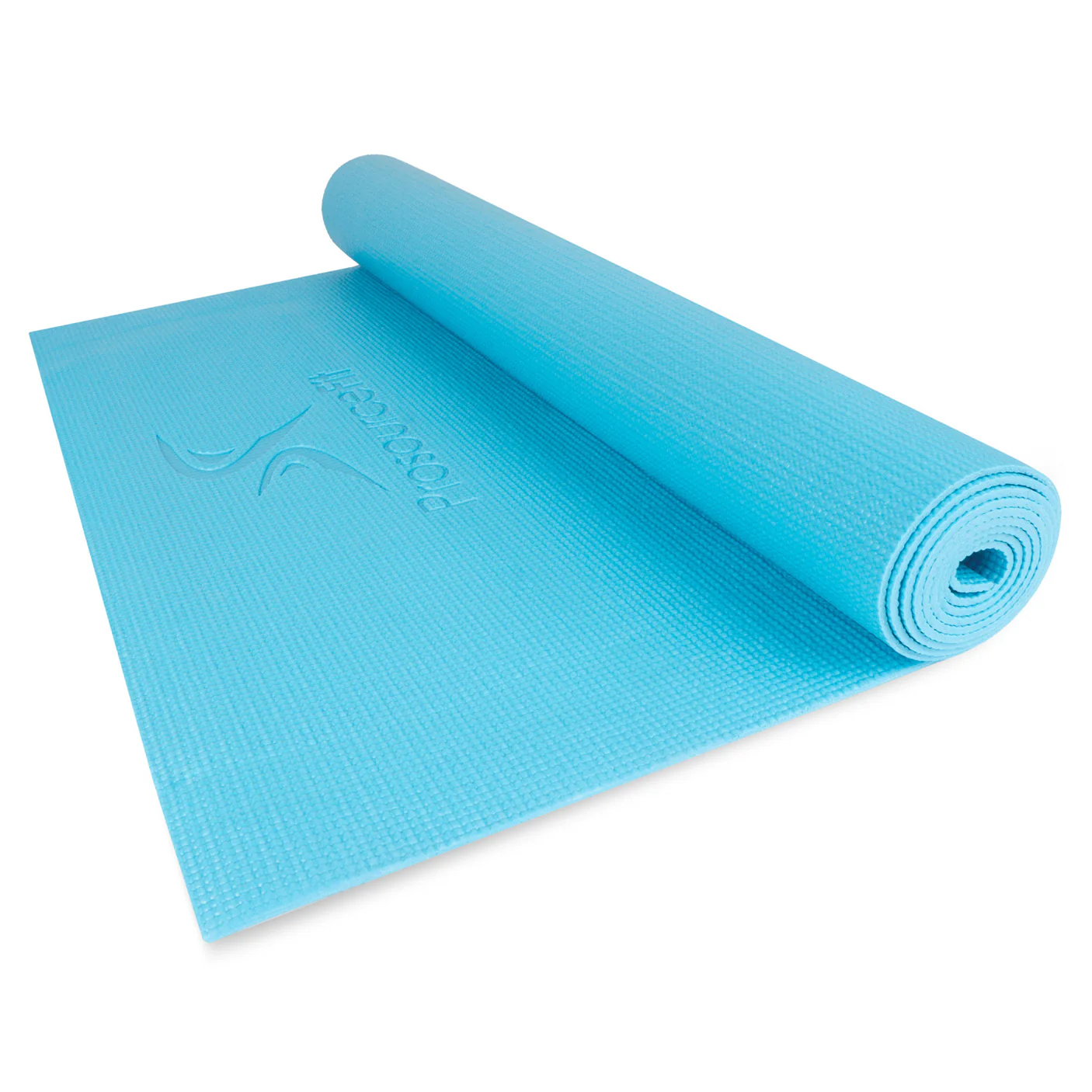
One of the most critical aspects of any yoga mat is its ability to prevent slipping, especially as your practice intensifies or in warmer environments. Gaiam mats are frequently praised for their excellent non-slip surfaces, providing a tacky feel that ensures a secure grip even during sweaty sessions. For example, the Gaiam Sol Dry-Grip mat is specifically engineered to absorb moisture, keeping you stable and slip-free during hot yoga classes. This superior traction builds confidence, allowing you to focus on your breath and alignment rather than worrying about your hands or feet sliding.
Cushioning for Comfort and Joint Support
Comfort is paramount, particularly when spending extended time on your knees, wrists, or spine. Gaiam offers a variety of thicknesses to meet diverse needs. Their standard mats, often around 6mm (1/4 inch), provide a good balance of cushioning and stability, making them suitable for general practice. For those who require extra joint protection, such as beginners or individuals with sensitive knees, the Gaiam Essentials Thick Yoga Mat, often at 10mm (2/5 inch), is a game-changer. It feels incredibly plush, akin to practicing on a shock-absorbing cushion, reducing discomfort during floor exercises and poses. Conversely, thinner mats (like 2mm or 1/16 inch) are ideal for travel or for layering over studio mats, offering portability without sacrificing a connection to the floor.
“A mat with appropriate cushioning is like a gentle embrace for your joints,” says Dr. Anya Sharma, a physical therapist and yoga enthusiast. “It allows for longer, more comfortable holds, encouraging deeper stretches and reducing the risk of strain.”
A Spectrum of Style: Designs and Aesthetics
Gaiam understands that personal expression is a part of the yoga journey. This is evident in their wide variety of vibrant, artistic prints and colors. From serene mandalas to bold geometric patterns, a Gaiam mat can truly reflect your personality and inspire your practice. Many mats are also reversible, offering two distinct looks in one, adding to their versatility and appeal. This blend of functionality and style ensures that your mat isn’t just a tool, but an extension of your personal aesthetic on and off the mat.
Crafted for Your Practice: Gaiam Yoga Mat Materials and Their Characteristics
The material of your Gaiam yoga mat significantly impacts its texture, stickiness, weight, and environmental footprint. Gaiam offers a range of options, each with unique characteristics designed to suit different preferences and priorities. Understanding these materials helps you make an informed choice for your specific practice.
PVC: The Classic Choice, Reimagined
Many of Gaiam’s popular mats are crafted from PVC (polyvinyl chloride), a material historically favored for its durability and excellent “sticky” factor. Gaiam, however, distinguishes itself by offering PVC mats that are often 6P-free, meaning they are free from harmful phthalates like DEHP, DBP, BBP, DINP, DIDP, and DNOP. This commitment makes them a safer and more eco-conscious choice within the PVC category. PVC mats are known for providing consistent grip, long-lasting durability, and a good amount of cushioning, making them a reliable option for a wide range of yoga styles. They also tend to be lightweight and easy to clean.
Eco-Friendly Alternatives: Embracing Sustainability
For those prioritizing environmental considerations, Gaiam also provides an impressive selection of eco-friendly mats made from sustainable and biodegradable materials.
- TPE (Thermoplastic Elastomer): TPE mats are a fantastic option for the environmentally conscious yogi. This material is biodegradable, recyclable, and typically free from latex and PVC. TPE mats offer a good balance of softness and grip, making them comfortable for most practices.
- Natural Rubber: Known for its superior grip, natural rubber mats are heavier and denser, offering exceptional stability. Gaiam’s rubber mats provide excellent traction, especially useful in more dynamic or sweaty practices. They are also a sustainable choice, though those with latex allergies should opt for other materials.
- Cork and Jute: These natural materials offer unique textures and properties. Cork is antimicrobial, repelling germs and odor, and becomes even grippier when wet, making it excellent for hot yoga. Jute mats provide a robust, earthy texture and good stability. Both are highly sustainable and add a natural element to your practice.
Finding Your Perfect Match: A Guide to Choosing a Gaiam Yoga Mat
Selecting the ideal Gaiam yoga mat involves considering several factors related to your individual practice, body, and values. With so many excellent options available, here’s how to narrow down your choice and find the mat that feels just right.
Consider Your Practice Style
Different yoga styles place different demands on your mat.
- Vinyasa, Power Yoga, or Hot Yoga: If your practice involves dynamic flows and you tend to sweat, look for mats with enhanced grip, such as the Gaiam Sol Dry-Grip, or those made from natural rubber or cork, which often perform better with moisture.
- Restorative, Yin, or Gentle Flows: For practices focused on stillness and deep stretching, cushioning is key. A thicker mat, like the 10mm Gaiam Essentials Thick Mat, will provide ample support for your joints and enhance your comfort during long holds.
- Pilates or Core Work: While yoga mats are suitable, a mat with good density and support, like many of Gaiam’s thicker PVC or TPE options, will serve you well for general floor exercises.
Thickness Matters: Balancing Comfort and Stability
The thickness of your mat significantly impacts your experience.
- Thin (2-4mm): Great for portability and travel, or for experienced practitioners who prefer a very grounded feel and maximum stability in balance poses. However, it offers less cushioning.
- Standard (5-6mm): A versatile choice for most yogis, providing a good blend of cushioning for comfort and stability for standing poses. Many of Gaiam’s classic PVC mats fall into this category.
- Thick (8mm+ or 1/4 inch+): Ideal for beginners, those with sensitive joints, or for practices that involve a lot of seated or supine poses. The extra cushion protects your knees, wrists, and tailbone, making long sessions more enjoyable.
“Choosing the right thickness is a personal journey,” advises yoga instructor Elena Petrova. “For beginners, a bit more cushion can prevent discouragement, while advanced practitioners might prefer a thinner mat for a deeper connection to the earth.”
Portability vs. Stability
Consider your lifestyle. Do you primarily practice at home, or do you commute to a studio?
- Home Practice: A thicker, heavier mat offers maximum comfort and doesn’t need to be moved often.
- Studio/Travel: Opt for a lighter, perhaps thinner, or even foldable mat. Gaiam offers excellent foldable travel mats (around 2mm) that fit easily into a suitcase, perfect for yogis on the go.
Addressing Common Concerns: Initial Smell and Durability
Some new mats, particularly those made of PVC or natural rubber, may have an initial odor. Gaiam mats are often reported to have a mild scent that dissipates quickly, especially after being aired out. As for durability, while Gaiam mats are generally well-regarded for their longevity, especially for their price point, consistent heavy use may lead to some wear over time. Proper care, however, can significantly extend your mat’s lifespan.
Elevating Your Practice: Tips for Using and Maintaining Your Gaiam Yoga Mat
To truly benefit from your Gaiam yoga mat and ensure its longevity, proper usage and maintenance are key. A well-cared-for mat not only lasts longer but also provides a more hygienic and pleasant practice experience.
Pre-Use Preparation
When you first unroll a new Gaiam mat, it’s common for it to have a slight “new mat” smell or to want to curl at the ends. To prepare it for practice:
- Unroll and Air Out: Lay your new mat flat for 24-48 hours in a well-ventilated area to allow any initial odors to dissipate.
- Initial Cleaning: A quick wipe-down with a damp cloth and mild soap or a specialized yoga mat cleaner can remove any factory residues and enhance grip from the first use.
Cleaning and Care for Lasting Freshness
Regular cleaning is vital for hygiene and maintaining your mat’s performance. The best cleaning method depends on your mat’s material.
- PVC and TPE Mats: These are generally easy to clean. Mix a small amount of mild dish soap with water in a spray bottle or use a dedicated yoga mat cleaner. Spray the mat, wipe it down with a soft cloth, and then wipe again with a clean, damp cloth to remove any residue. Air dry thoroughly before rolling.
- Natural Rubber, Cork, and Jute Mats: These materials often require gentler care. Use a diluted solution of water and white vinegar (1:1 ratio) or a mild, natural mat cleaner. Wipe gently with a soft cloth and allow to air dry completely, away from direct sunlight, which can degrade natural rubber.
Avoid: Harsh chemicals, abrasive brushes, or submerging your mat in water, as these can damage the material and affect its grip.
Smart Storage for Mat Longevity
How you store your Gaiam mat can impact its shape and lifespan.
- Roll Correctly: Always roll your mat with the top (or practice) surface facing outwards. This helps prevent the edges from curling up during your next session.
- Use a Strap or Bag: Many Gaiam mats come with an easy-cinch carrier strap, making transport and storage simple. A yoga mat bag also protects it from dust and external damage.
- Keep it Cool and Dry: Store your mat in a cool, dry place, away from direct sunlight or extreme temperatures, which can cause materials to break down over time.
Beyond the Asanas: The Broader Benefits of a Quality Gaiam Mat
A quality Gaiam yoga mat does more than just support your physical practice; it contributes to a holistic sense of well-being and enhances your overall fitness journey. The benefits extend far beyond the studio.
Durability and Longevity You Can Trust
Gaiam mats are known for offering impressive durability, especially considering their accessible price point. Many users report their mats standing up to years of consistent use, making them a wise investment for long-term practice. This reliability means you won’t constantly be replacing your mat, fostering a sense of continuity in your routine and aligning with sustainable consumption values.
Support for Your Entire Fitness Routine
While designed for yoga, the versatility of a Gaiam mat makes it an excellent foundation for a variety of other workouts. Its cushioning and non-slip properties are perfect for Pilates, core strengthening exercises, stretching routines, and even light bodyweight training. It transforms any space into a comfortable and safe zone for your fitness endeavors, protecting your body from hard floors and providing stability for dynamic movements.
Inspiring Confidence and Connection
Having a mat that you trust and enjoy can profoundly impact your motivation and confidence. A mat that feels good under your hands and feet allows you to immerse yourself fully in your practice, explore new poses, and challenge your boundaries without apprehension. The vibrant designs also add a personal touch, making your practice space more inviting and inspiring a deeper connection to your mindful movement journey.
Integrating Your Gaiam Mat into Diverse Practices
The adaptability of the Gaiam yoga mat allows it to seamlessly integrate into a wide array of movement practices, serving as a versatile tool for holistic well-being.
Yoga Styles
- Hatha and Restorative Yoga: The cushioning offered by Gaiam’s thicker mats is ideal for these slower-paced styles, providing comfort during longer holds and seated meditations.
- Vinyasa and Ashtanga: Mats with strong grip, like the Sol Dry-Grip or natural rubber options, are excellent for dynamic, flowing sequences where stability and quick transitions are key.
- Bikram and Hot Yoga: The moisture-absorbing properties of specific Gaiam mats ensure a secure practice even in heated environments, preventing slips caused by sweat.
Other Exercises
Beyond traditional yoga, your Gaiam mat is perfectly suited for:
- Pilates: Providing cushioning for spine rolls and core work.
- Strength Training: Offering a comfortable surface for floor exercises, planks, and stretches.
- Stretching and Mobility: Creating a dedicated space for pre- and post-workout stretching, enhancing flexibility and recovery.
Your Journey Begins with the Right Mat
Choosing a Gaiam yoga mat is an investment in your well-being, providing a reliable and inspiring foundation for your physical and mental growth. With a commitment to quality, sustainability, and diverse designs, Gaiam offers a mat for every path and every practice. From the supportive embrace of a thick mat for beginners to the unyielding grip of a performance mat for advanced flows, Gaiam empowers you to step onto your mat with confidence and intention.
Explore the world of Gaiam yoga mats and discover how the right foundation can transform your practice, making every pose a step closer to balance, strength, and inner peace. Your mat is waiting – unroll it, breathe deep, and let your journey unfold.