Stepping onto your yoga mat should feel like coming home – a sanctuary where you can stretch, strengthen, and find your center. But what if that sanctuary could offer an extra layer of blissful support, transforming every pose and flow into a deeply comforting experience? Enter the Padded Yoga Mat, a game-changer for countless practitioners seeking enhanced joint protection and unparalleled comfort. This isn’t just about thickness; it’s about intelligent design that cradles your body, allowing you to delve deeper into your practice without distraction.
The Evolution of the Yoga Mat: More Than Just a Surface
For centuries, yoga was practiced directly on the earth, connecting practitioners intimately with nature. In modern times, the yoga mat emerged as a vital tool, providing a hygienic, non-slip surface that defines personal space and enhances grip during dynamic movements. However, as yoga became more accessible and diverse, so too did the needs of its practitioners. The demand for greater comfort, especially on hard studio or home floors, spurred the development of specialized mats, leading us to the beloved padded yoga mat. It’s an innovation born from the desire to make yoga accessible and enjoyable for every body, ensuring that discomfort never stands between you and your inner peace.
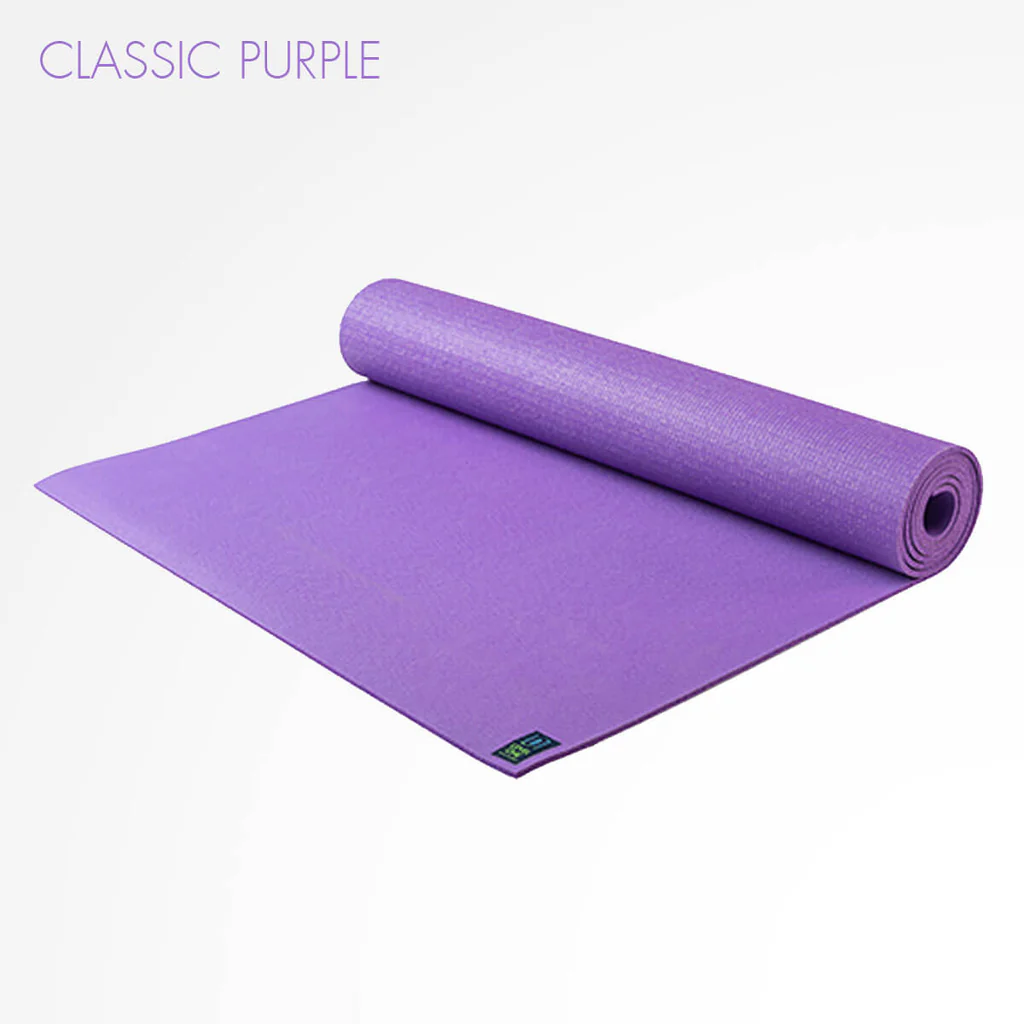
What Makes a Padded Yoga Mat Stand Out?
A padded yoga mat is distinguished by its enhanced cushioning, designed to absorb impact and provide a softer surface for your body. This extra “give” is crucial for protecting sensitive areas like knees, wrists, hips, and spine during floor poses, inversions, and extended meditations.
The “Sweet Spot” of Thickness: Finding Your Ideal Cushioning
When it comes to padding, thickness is key, but it’s not the only factor. The “density” of the material plays an equally vital role, determining whether a mat offers supportive cushioning or merely a squishy surface that compromises stability.
- Thin Mats (1-3mm): Often called travel mats, these are lightweight and portable, providing a strong connection to the ground. While great for advanced balancing poses or layering over another mat, they offer minimal cushioning.
- Standard Mats (4-6mm): These are the most common, striking a balance between cushioning and stability. They’re versatile enough for many styles, from active Vinyasa to gentle Hatha, offering sufficient padding without making you feel disconnected from the floor. A 4-5mm mat is often considered ideal for a supportive yet grounded practice.
- Thick Mats (6mm+): Ranging from 6mm to 10mm or even more, these are the true padded champions. They offer maximum cushioning, making them perfect for restorative yoga, Yin yoga, Pilates, therapeutic practices, or anyone with joint sensitivities or injuries. For home practice, where portability is less of a concern, a thicker mat (6-8mm) provides exceptional comfort on hard surfaces. The trick is to find a high-density thick mat that provides support without allowing you to sink in too much. As seasoned yoga instructor Anya Sharma puts it, “A truly great padded mat supports you without swallowing you, allowing you to soften into a pose while maintaining proper alignment.”
Crafting Comfort: Materials for a Padded Experience
The materials used profoundly impact a padded mat’s feel, grip, durability, and eco-friendliness.
- PVC (Polyvinyl Chloride): Historically popular for its durability, excellent grip, and easy cleaning. However, PVC mats are non-absorbent and can become slippery with heavy sweat. They are also less environmentally friendly.
- TPE (Thermoplastic Elastomer): A blend of plastic and rubber polymers, TPE mats are often more eco-friendly and lightweight. They offer good traction and durability, though sometimes less so than PVC mats of comparable thickness.
- Natural Rubber: A favorite for eco-conscious yogis, natural rubber offers superb grip and excellent cushioning, even at moderate thicknesses. However, it can be heavy and may have a distinct odor. It’s also not suitable for those with latex allergies.
- NBR Foam (Nitrile Butadiene Rubber): Often found in very thick, exercise-style mats, NBR foam provides significant cushioning and durability, making it a popular choice for deeply padded options that retain their shape over time.
- Cork, Jute, and Organic Cotton: These natural, sustainable options offer unique textures for grip and a firm, grounded feel. While some can be padded, they typically provide a different kind of support compared to the springier feel of rubber or foam.
Your Guide to Choosing the Perfect Padded Yoga Mat
Selecting the ideal padded yoga mat means aligning it with your unique practice and needs.
Consider Your Yoga Style
- Restorative or Yin Yoga: These slower, floor-based styles benefit immensely from maximum cushioning. A mat of 8mm or more will allow you to relax deeply into long-held poses, protecting your joints and enhancing comfort.
- Hatha or Gentle Flow: A standard 6mm mat often provides a perfect balance of comfort and stability, supporting kneeling poses while still offering a firm foundation for gentle standing sequences.
- Dynamic Styles (Vinyasa, Ashtanga): While deep padding is excellent for comfort, excessive softness can compromise stability in fast-paced transitions and balancing poses. If you practice dynamic yoga but still need joint protection, look for a high-density 6mm mat that offers firm support despite its thickness, or consider a standard mat with a dedicated yoga knee pad for targeted cushioning.
Address Your Body’s Needs
Do you have sensitive knees, wrists, or a tender spine? Are you recovering from an injury or simply seeking to prevent discomfort? A thicker, more cushioned mat can be a true ally, reducing pressure and allowing you to focus on your breath and alignment rather than pain. Many older practitioners or those with chronic joint issues find padded mats indispensable for maintaining a consistent and enjoyable practice.
Portability vs. Home Sanctuary
If your mat lives primarily at home, weight and bulk are less critical. You can indulge in a luxuriously thick, high-density mat. However, if you travel frequently or commute to classes, a slightly thinner, more portable padded mat (like a 4-5mm natural rubber mat) might be a better choice, or consider a dedicated travel mat to layer over studio mats for extra cushioning on the go.
Don’t Forget Grip and Stability
A padded mat should never compromise safety. Look for materials and textures that offer excellent non-slip properties, even during a sweaty session. Some advanced padded mats combine dense cushioning with a grippy surface to ensure you stay firmly rooted, no matter the pose.
Maximizing Your Padded Mat’s Lifespan: Care and Maintenance Tips
A quality padded yoga mat is an investment in your well-being. Proper care ensures its longevity and hygiene.
- Regular Cleaning: After each practice, wipe down your mat with a damp cloth and a gentle, natural mat cleaner. This removes sweat, oils, and dirt, preventing buildup.
- Deep Cleaning: Periodically, give your mat a deeper clean according to the manufacturer’s instructions.
- Drying: Thicker mats can take longer to dry. Ensure your mat is completely dry before rolling it up to prevent mold or mildew, especially if it’s made from absorbent materials.
- Storage: Roll your mat loosely, preferably with the top surface facing outwards, to prevent the edges from curling. Store it away from direct sunlight and extreme temperatures to maintain material integrity.
Beyond Comfort: The Holistic Benefits of a Quality Padded Mat
The benefits of a quality padded yoga mat extend far beyond mere physical comfort. By alleviating discomfort, it opens the door to a deeper, more consistent practice. When your body feels supported and safe, your mind is free to focus on breath, mindfulness, and the intricate nuances of each pose. This enhanced comfort can lead to:
- Deeper Engagement: Without the distraction of pressure points, you can explore poses more fully and hold them longer.
- Improved Focus: A comfortable foundation allows your mind to remain present, fostering a stronger mind-body connection.
- Injury Prevention: The extra cushioning protects joints from impact, reducing the risk of strain or injury over time.
- Greater Confidence: Knowing you have reliable support empowers you to try new poses and challenge yourself safely.
- A More Inclusive Practice: Padded mats make yoga accessible and enjoyable for a wider range of individuals, including beginners, those with physical limitations, and advanced practitioners seeking gentle support.
As a leading voice in premium yoga accessories, YOGAFLEX understands that true quality supports your journey holistically. A padded mat from YOGAFLEX is crafted not just for comfort, but to inspire growth, resilience, and a deeper connection to your practice, ensuring every moment on your mat is one of strength and serenity.
Integrating Your Padded Mat into Diverse Yoga Practices and Workouts
While ideal for gentle styles, a padded mat’s versatility might surprise you.
- Yin and Restorative Yoga: This is where a padded mat truly shines, allowing for profound relaxation and sustained holds.
- Hatha and Slow Flow: Provides comfortable cushioning for kneeling, seated poses, and transitions.
- Pilates and Core Work: Offers excellent spinal protection during mat-based exercises.
- Meditation: Creates a comfortable seat for longer meditation sessions, easing pressure on hips and knees.
- General Stretching and Mobility: Transforms any hard floor into a comfortable surface for daily movement.
Even if you primarily practice dynamic yoga, a padded mat can be your go-to for warm-ups, cool-downs, or those days when your body craves extra tenderness.
Frequently Asked Questions About Padded Yoga Mats
What’s the best thickness for a padded yoga mat if I have sensitive knees?
For sensitive knees, a mat of 6mm to 10mm (1/4 to 3/8 inch) is often recommended, ensuring ample cushioning to protect your joints during kneeling poses and floor work. Look for high-density materials that provide firm support rather than just softness.
Are padded yoga mats good for balancing poses?
While some very soft, thick mats can make balancing challenging by creating an unstable surface, many high-quality padded mats are designed with dense materials that offer both cushioning and stability. For standing balance poses, some practitioners prefer to step off a thicker mat or choose a mat that provides a firm, grounded feel despite its padding.
How often should I replace my padded yoga mat?
The lifespan of a padded yoga mat varies greatly depending on its material, frequency of use, and care. High-quality PVC or natural rubber mats can last 5-10 years or more with proper maintenance, while less durable materials like some foams might need replacing every 1-3 years if used regularly.
Are padded yoga mats eco-friendly?
Eco-friendliness depends on the material. Natural rubber and TPE mats are generally considered more environmentally friendly than traditional PVC mats. Many brands, including YOGAFLEX, prioritize sustainable materials and production methods for their padded mats, allowing you to practice with peace of mind.
How do I clean a thick yoga mat?
Cleaning a thick yoga mat involves wiping it down after each use with a natural mat cleaner or a solution of water and mild soap. Due to their thickness, it’s crucial to ensure they are thoroughly air-dried before rolling to prevent moisture retention and bacterial growth.
Finding Your Flow on a Padded Canvas
Choosing the right padded yoga mat is a personal journey, one that empowers your practice and nurtures your body. It’s about investing in a foundation that supports your growth, encourages exploration, and provides a haven of comfort on your path to holistic well-being. At YOGAFLEX, we believe your mat should be an extension of your intention – a reliable, inspiring, and sustainable companion for every breath and every pose. Embrace the comfort, deepen your practice, and discover the profound difference a quality padded yoga mat can make.