Black Friday is more than just a shopping event; it’s an opportunity to invest in your well-being, and for many, that means finding the perfect yoga mat. If you’re looking to deepen your practice, upgrade old gear, or gift a mindful beginning, a Yoga Mat Black Friday sale offers unparalleled value. This guide will walk you through everything you need to know to unroll a fantastic deal that truly supports your journey on and off the mat.
The modern yoga mat has become an indispensable tool, but its role has evolved dramatically. Imagine practicing centuries ago on bare earth or animal skins. Early yogis focused on seated meditation, where elaborate mats weren’t a necessity. As yoga evolved and moved west, especially in the 1960s and 70s, practitioners found themselves on slippery carpets, leading to the need for a stable surface. The pivotal moment arrived in 1982 when Angela Farmer, a yoga teacher, discovered carpet underlay material in Germany that offered the much-needed grip. This invention, soon dubbed the “sticky mat,” transformed yoga practice, allowing for more dynamic postures and a safer foundation. Today, your yoga mat is more than just a piece of equipment; it’s a personal sanctuary, a designated space where you connect with yourself, challenge your limits, and find inner peace. It signals a transition from the external world to an internal journey, a ritualistic aspect that underscores its significance beyond mere utility.
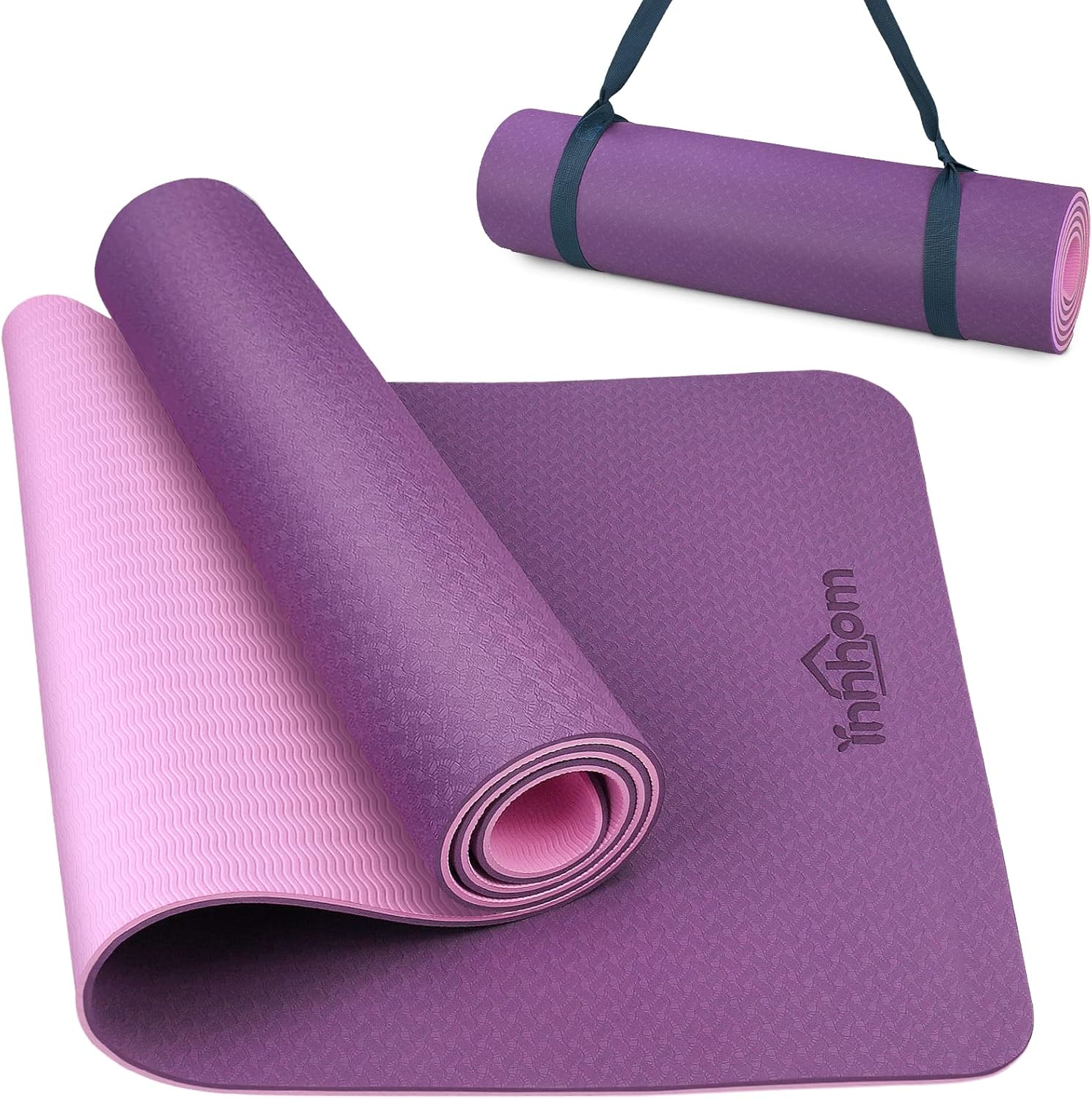
Unrolling the Possibilities: Decoding Yoga Mat Materials and Features
When you’re sifting through yoga mat Black Friday offers, understanding the materials is key to making an informed decision. Each material brings a unique set of characteristics to your practice.
PVC (Polyvinyl Chloride)
Often referred to as the “traditional sticky mat,” PVC mats are known for their exceptional grip and durability. They are easy to clean and can withstand years of rigorous practice. However, PVC is a synthetic material that is not biodegradable, making it less eco-friendly. If you have latex allergies, PVC is typically a safe bet.
TPE (Thermoplastic Elastomer)
TPE mats are a man-made blend of plastic and rubber polymers, presenting a more environmentally conscious alternative to PVC. Many TPE mats are recyclable and free from latex and other common allergens. They offer good traction and cushioning, often striking a balance between comfort and sustainability. While generally less durable than PVC, they provide a reliable, lightweight option.
Natural Rubber
For those prioritizing an earth-friendly practice, natural rubber mats are an excellent choice. Sourced from rubber trees, they offer superior grip, especially when damp, making them ideal for hot yoga or those who sweat profusely. Natural rubber mats are biodegradable, but they can be heavier and might have a distinct rubbery scent that fades over time. Note: If you have a latex allergy, you should avoid natural rubber mats.
Cork
Cork yoga mats are gaining popularity for their unique properties. Naturally antimicrobial and eco-friendly, cork offers an impressive grip that actually increases as it gets wet. This means no more slipping and sliding, even in the sweatiest sessions. Cork mats are also durable and resistant to odors, providing a clean and stable surface. They often feature a rubber backing for added stability.
Jute and Organic Cotton
These natural fiber mats are highly sustainable and offer a more organic, earthy feel. Jute mats provide a textured surface for grip and are quite durable, while organic cotton mats (often called yoga rugs or “yogaduks”) are soft and absorbent. They are excellent choices for restorative practices or as a top layer for added absorbency, though they may offer less cushioning and can be more prone to slipping on smooth floors without a proper base.
Your Perfect Companion: A Savvy Guide to Choosing Your Black Friday Yoga Mat
Navigating a yoga mat Black Friday sale can be overwhelming with so many options. To ensure you find the perfect match, consider these factors:
Consider Your Practice Style
- Dynamic Yoga (Vinyasa, Ashtanga, Power Yoga): You’ll need a mat with excellent grip to prevent slipping during rapid transitions and inversions. Materials like natural rubber and high-quality TPE are ideal. A thickness between 3-5mm (1/8 inch) allows for good stability and connection to the ground.
- Gentle Yoga (Hatha, Restorative, Yin): Comfort is key here. Thicker mats, around 6mm (1/4 inch) or more, provide extra cushioning for longer holds and seated poses, protecting your joints. PVC or TPE mats with more “give” can be very comfortable.
- Hot Yoga: A mat that gets grippier with sweat, like cork or natural rubber, is essential. Some yogis prefer a mat towel over a regular mat for added absorbency.
Thickness and Cushioning
Yoga mats come in a range of thicknesses, each offering a different experience.
- Travel Mats (1-2mm): Super thin and lightweight, perfect for portability but offer minimal cushioning. Great for layering over studio mats.
- Standard Mats (3-4mm): A popular all-around choice, offering a good balance of cushioning and stability. Ideal for flowing practices.
- Thick Mats (5-6mm+): Provide ample cushioning for sensitive joints, making them excellent for therapeutic or slower-paced practices. They might make balancing slightly more challenging.
Grip and Texture
A good grip is paramount for safety and confidence in your practice. Textured surfaces, whether inherent in the material (like jute or cork) or designed into synthetic mats, help prevent hands and feet from sliding. High-quality PVC and natural rubber mats are renowned for their “stickiness.” When browsing Black Friday yoga mat deals, look for descriptions that emphasize “non-slip” or “ultimate grip.”
Eco-Friendliness
YOGAFLEX is committed to sustainability, and many brands offer eco-friendly options during Black Friday. Look for mats made from natural rubber, cork, jute, or recycled TPE. These choices not only support your practice but also align with a mindful, environmentally conscious lifestyle.
Portability vs. Home Use
If you commute to the studio regularly, a lighter mat (around 1.4 kg for a standard mat, or even less for travel mats) will be a blessing. For a home studio, a heavier, thicker mat (up to 3 kg or more) might offer more stability and comfort, as portability isn’t a primary concern.
Beyond the Deal: Maximizing Your Yoga Mat’s Lifespan
A new yoga mat, especially one found during a fantastic yoga mat Black Friday sale, is an investment. Proper care ensures it remains a clean, safe, and supportive space for years.
Daily Maintenance Routine
After every practice, particularly if you’ve worked up a sweat, take a moment to wipe down your mat. Use a clean, damp cloth to remove moisture and surface dirt. For a simple and effective solution, you can mix water with a few drops of mild, non-oil-based soap or a white vinegar solution (1:4 ratio of vinegar to water) in a spray bottle. Lightly spray and wipe, then allow your mat to air dry completely before rolling it up. Never roll a damp mat, as this can lead to bacteria growth and odors.
Deep Cleaning by Mat Material
Different materials require specific deep cleaning approaches, which should be done monthly or as needed.
- Natural Rubber Mats: Hand wash with mild soap and warm water. Avoid harsh chemicals, oil-based cleaners, and direct sunlight, which can cause the rubber to degrade. Air dry thoroughly.
- Cork Yoga Mats: These are naturally antimicrobial. Wipe with a damp cloth and water, or a very mild soap solution. Avoid soaking. Ensure it’s completely dry before storage. Light sanding can sometimes restore grip if needed.
- PVC and TPE Mats: These are generally more robust. Some can be machine washed on a gentle cycle with mild detergent (check manufacturer guidelines first). For hand washing, use warmer water and a stronger cleaning solution if necessary, as these materials are less prone to damage from chemicals.
- General Tips: For persistent odors, a baking soda paste can work wonders. Apply, let sit for 30 minutes, then rinse. For slippery mats, cleaning with a vinegar solution can remove residue, and a light sprinkle of baby powder or baking soda can absorb oils and enhance grip.
Proper Storage
Once your mat is thoroughly dry, roll it tightly (usually with the top surface facing out) and store it in a cool, dry place away from direct sunlight and extreme temperatures. Using a yoga mat bag can protect it from dirt and damage during transport. Regularly unrolling and airing out your mat, even when not in use, can prevent stiffness and maintain freshness.
The YOGAFLEX Difference: Benefits of a Premium Yoga Mat Investment
While Black Friday yoga mat deals offer attractive prices, remember that quality and longevity are paramount. A premium yoga mat from a brand like YOGAFLEX isn’t just about aesthetics; it’s about enhancing your practice and supporting your well-being.
- Superior Grip and Stability: High-quality materials mean you won’t slip, allowing you to focus on your alignment and breath rather than worrying about stability. This prevents injuries and builds confidence.
- Optimal Cushioning: Protecting your joints, wrists, and knees is crucial. Premium mats offer the right balance of softness and firmness for comfort without compromising balance.
- Durability and Longevity: Investing in a well-made mat means it will withstand years of daily practice, retaining its performance and appearance, making it a sustainable choice in the long run.
- Hygienic and Easy to Clean: Many premium mats are designed with closed-cell surfaces that resist moisture absorption, making them easier to keep clean and free from odors and bacteria.
- Eco-Conscious Materials: Brands like YOGAFLEX prioritize sustainable and non-toxic materials, aligning your practice with your values for a healthier planet.
Flowing Together: Aligning Your Mat with Diverse Yoga Practices
Your yoga mat is a foundational tool, and its characteristics can significantly influence how you experience different yoga styles and other fitness activities.
- Vinyasa & Flow: For dynamic, flowing sequences where you transition quickly, a mat with exceptional, consistent grip is essential. A 3-4mm natural rubber or high-performance TPE mat will provide the stability needed to move with confidence, preventing slips as you shift between poses like downward dog and warrior variations.
- Hatha Yoga: With its focus on holding poses for longer durations, a Hatha practice benefits from a mat that offers both grip and a comfortable amount of cushioning. A 5-6mm mat made from natural rubber or a dense TPE can provide the support for sustained postures while still maintaining a connection to the ground.
- Restorative & Yin Yoga: These practices emphasize deep relaxation and passive stretches, often held for several minutes. Maximum comfort is key. A thicker mat (6mm+) made from a plush material like PVC or a soft TPE, perhaps even layered with a blanket, will create a luxurious and supportive nest for your body.
- Hot Yoga: The extreme heat and humidity of hot yoga demand a mat that thrives in sweaty conditions. Cork mats, which actually get grippier when wet, or natural rubber mats known for their incredible wet grip, are ideal. Many hot yogis also use a dedicated mat towel to absorb excess sweat.
- Pilates & General Fitness: While often using thicker mats, a yoga mat can also serve for Pilates or other floor exercises. For core work, stretching, and bodyweight exercises, a mat that offers good cushioning (around 5-6mm) and a non-slip surface will provide adequate support and prevent discomfort on hard floors.
“Choosing the right yoga mat is like finding a dance partner for your practice,” says Anya Sharma, a seasoned yoga instructor and sustainability advocate. “Especially during Black Friday, you have the chance to invest in a mat that not only supports your physical alignment but also aligns with your values for mindful living and environmental responsibility.” This Black Friday, consider how your mat will integrate into your holistic wellness routine.
Frequently Asked Questions About Yoga Mats and Black Friday Sales
When do Black Friday yoga mat sales typically start?
Black Friday yoga mat sales often begin in early to mid-November, sometimes even earlier, and typically extend through Cyber Monday. Keep an eye out for “early bird” deals from your favorite brands.
What’s the ideal thickness for a yoga mat?
The ideal thickness depends on your practice style and joint sensitivity. A standard 1/8 inch (3-4mm) mat offers a good balance of cushioning and stability for most dynamic practices. For extra joint support or restorative yoga, 1/4 inch (6mm) or thicker mats are preferred. Travel mats are typically 1-2mm.
Are eco-friendly yoga mats worth the investment?
Absolutely. Eco-friendly mats, made from materials like natural rubber, cork, jute, or organic cotton, are better for the planet and often provide superior performance, durability, and a non-toxic practice surface. While they might have a higher upfront cost, their longevity and benefits make them a worthwhile investment.
How often should I clean my yoga mat?
You should wipe down your yoga mat briefly after every practice to remove sweat and oils. A deep clean is recommended once a month or more frequently if you practice daily or sweat heavily.
Can I machine wash my yoga mat?
Some yoga mats, particularly certain TPE or specific synthetic blends, may be machine washable on a gentle cycle. However, many natural rubber or PVC mats are not suitable for machine washing and can be damaged. Always check the manufacturer’s care instructions for your specific mat. Hand washing is often the safest method.
What’s the difference between PVC and natural rubber mats?
PVC mats are highly durable, easy to clean, and offer excellent grip, but they are synthetic and not biodegradable. Natural rubber mats are eco-friendly, biodegradable, and provide superior wet grip, but they can be heavier and might have a temporary natural scent. Those with latex allergies should avoid natural rubber.
How can I make my slippery yoga mat grippier?
Regular cleaning removes sweat and oil buildup that can cause slipperiness. For new mats, a break-in period or wiping with a vinegar solution can help. For older mats, a light sprinkle of baby powder or baking soda can absorb excess moisture and provide temporary grip enhancement.
Embrace Your Journey This Black Friday
This Black Friday, as you seek out the best yoga mat deals, remember that your mat is more than just a piece of equipment—it’s an extension of your commitment to health, mindfulness, and personal growth. YOGAFLEX is dedicated to providing premium yoga mats and accessories that embody quality, sustainability, and inspiration, supporting every step of your yoga journey. Whether you’re a seasoned yogi or just beginning to explore the incredible benefits of practice, finding the right yoga mat can transform your experience. Don’t miss this chance to invest in a foundation that grounds your body, elevates your spirit, and connects you to a thriving community. Explore the yoga mat Black Friday sales with intention, and choose a mat that truly resonates with your path.